Few artists have shaped 21st-century music as profoundly as Kanye West. At once celebrated, criticised, and endlessly debated, he stands as one of the most polarising cultural figures of his generation. His public controversies have complicated his legacy, yet they have not erased the structural changes he brought to music, aesthetics, and the way artists position themselves within popular culture.
This tension between artistic influence and moral controversy is not new. French literary history, for instance, still studies Louis-Ferdinand Céline, author of Voyage au bout de la nuit, despite his political extremism and collaborationist past. The comparison is not about equivalence, but about a recurring cultural question: how do we assess works that changed their field when their creators remain ethically contested?
Understanding Kanye West’s importance requires looking beyond headlines and examining how he reconfigured hip-hop’s sound, themes, and ambitions.
A Turning Point: The College Dropout and the End of the Gangsta Monoculture
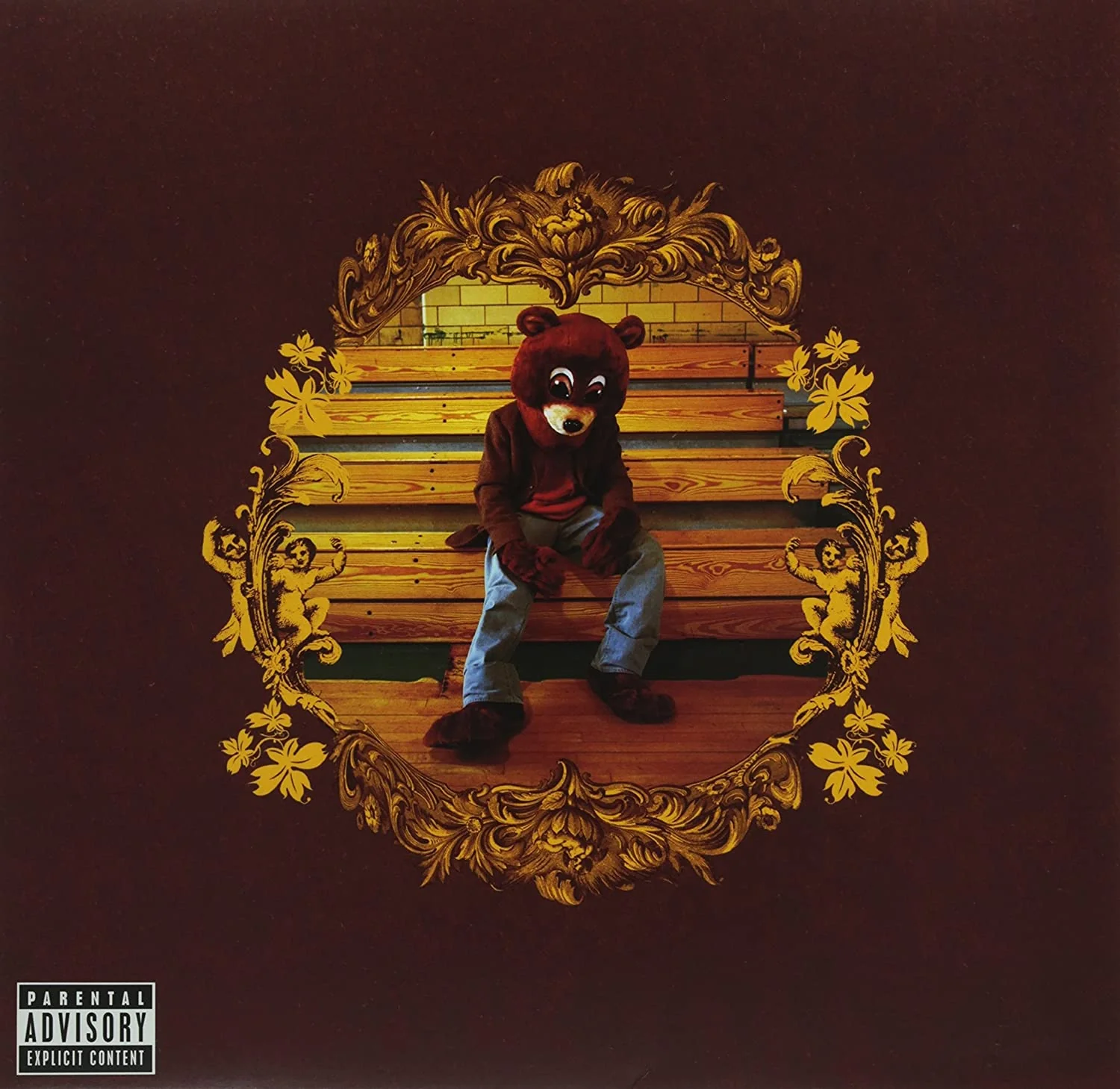
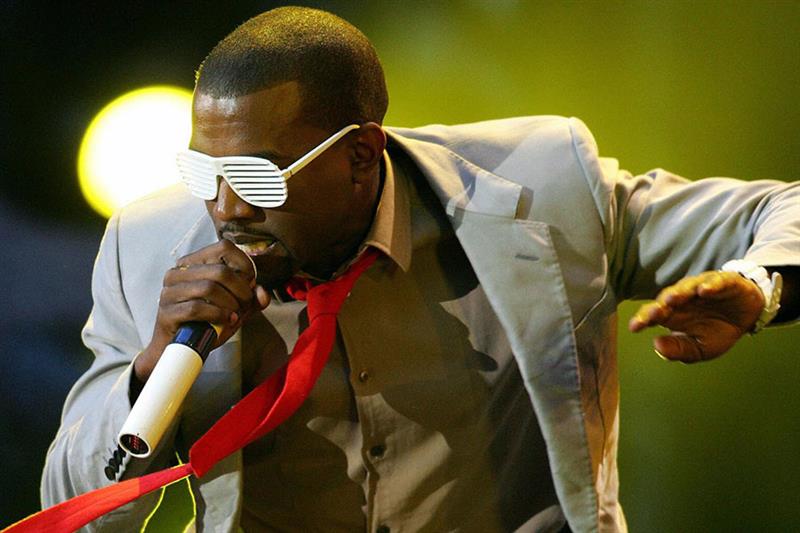
Released in 2004, The College Dropout disrupted a mainstream rap landscape dominated by gangsta imagery and club-oriented production. Instead of adopting that persona, West presented himself as an outsider: middle-class, self-conscious, vulnerable, and openly influenced by soul music.
Key Industry Shifts Introduced:
- Soul-sample revival: West popularised sped-up, chopped soul samples, creating a warmer, emotionally resonant sound that contrasted sharply with the era’s polished minimalism.
- Relatability over mythology: Songs about insecurity, faith, and work replaced the untouchable gangster archetype.
- Producer as auteur: He redefined the producer not as a background technician but as the central creative identity.
This album helped legitimize alternative narratives in rap, opening space for artists who did not fit the dominant mold.
Stadium Rap and the Pop Convergence: Graduation
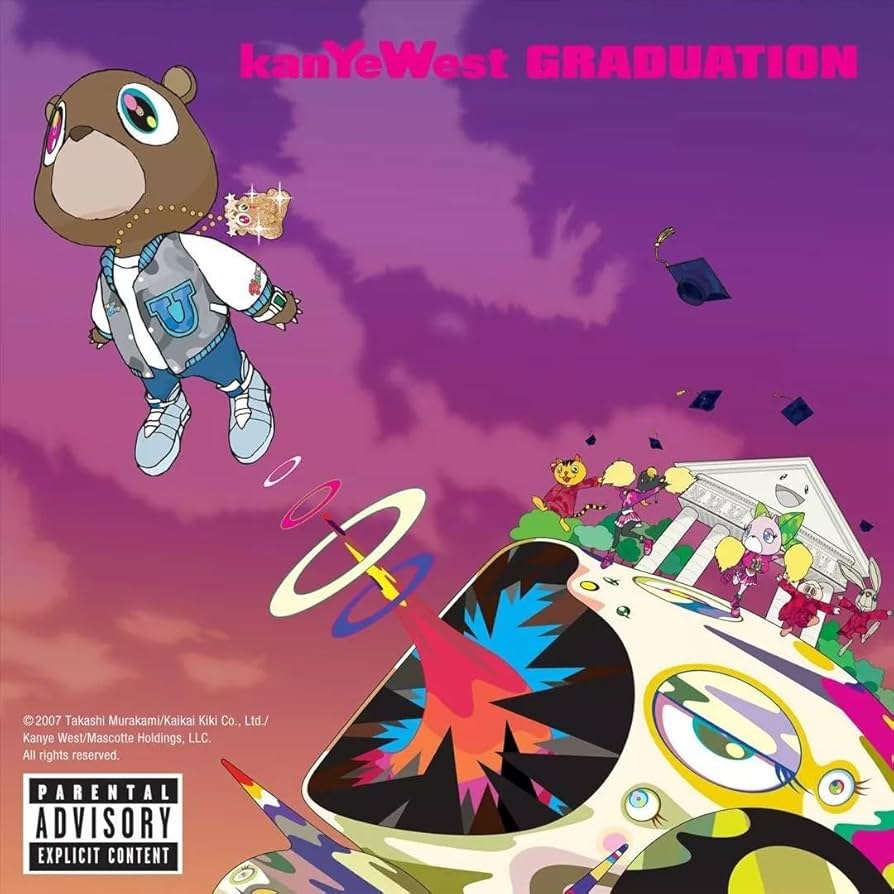
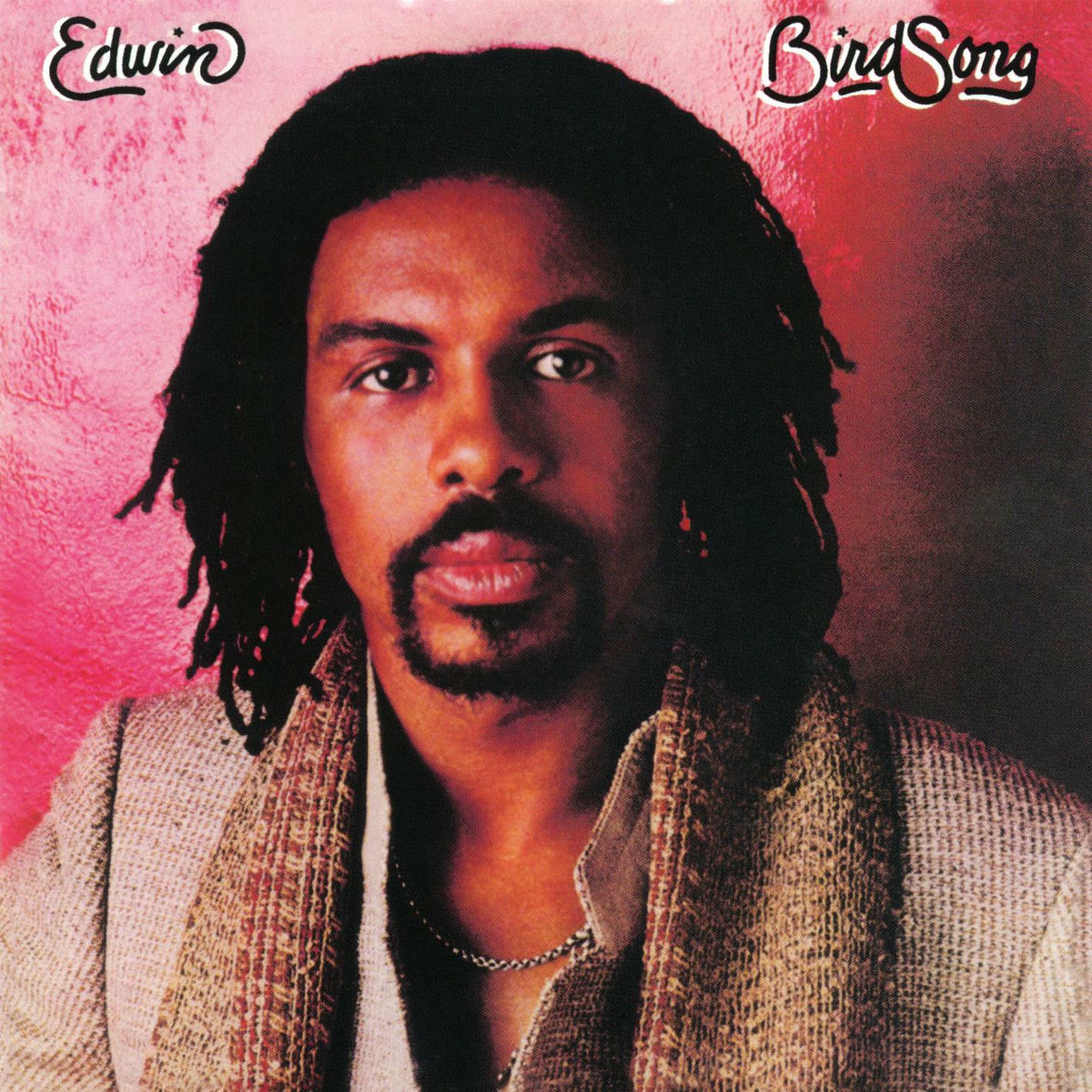
With Graduation (2007), West pivoted again, this time toward maximalism and cross-genre ambition.
Inspired by arena rock and electronic music, the album embraced:
- Anthemic scale (“stadium rap”) designed for mass audiences rather than clubs.
- Explicit dialogue with pop and electronic music, notably through sampling and collaborations.
- Visual identity as fine art, including artwork by Takashi Murakami, signalling a merger between hip-hop and contemporary art culture.
This period accelerated the mainstream fusion of rap and pop, paving the way for artists like Drake, whose hybrid melodic style would dominate the following decade.
Emotional Transparency and the Melodic Era: 808s & Heartbreak
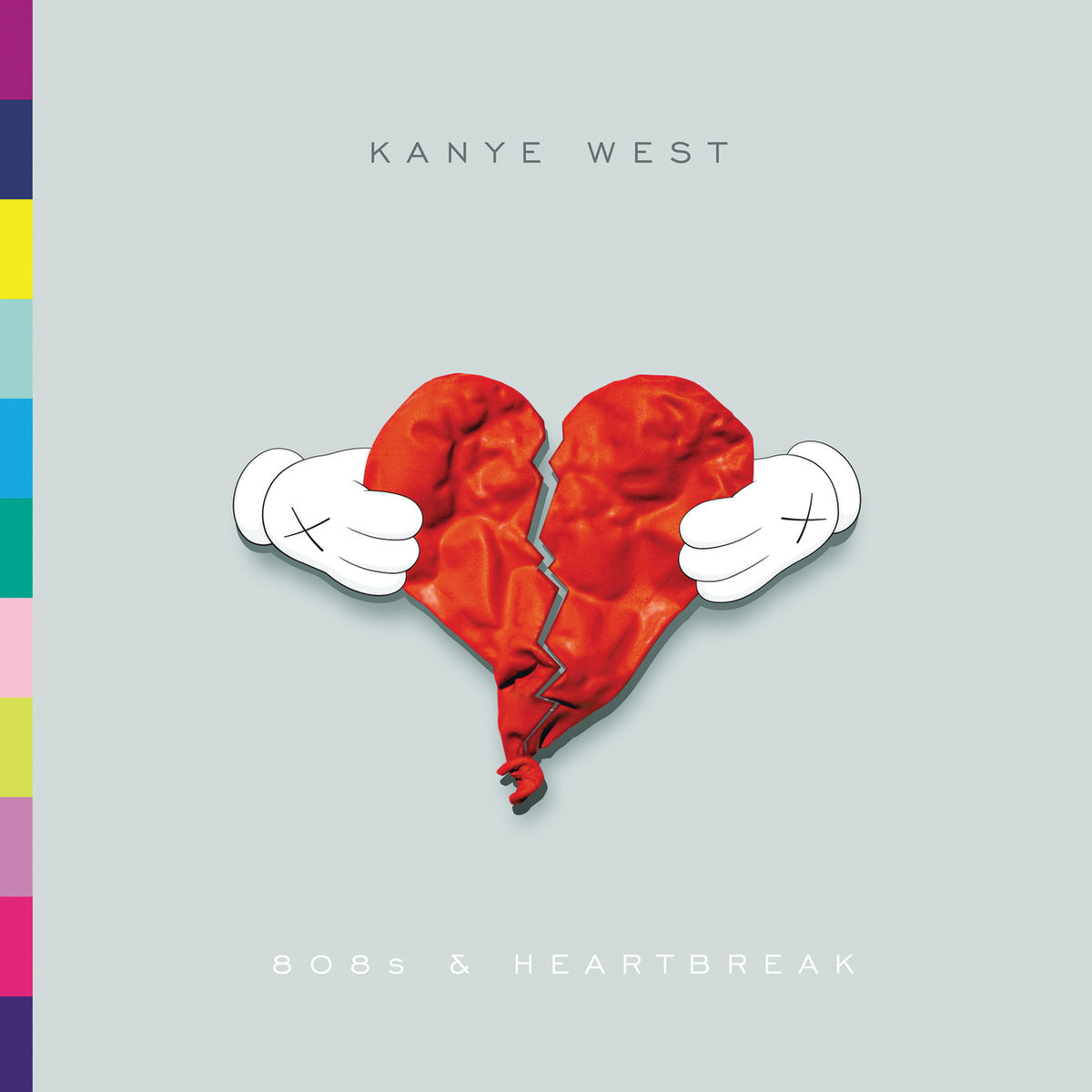
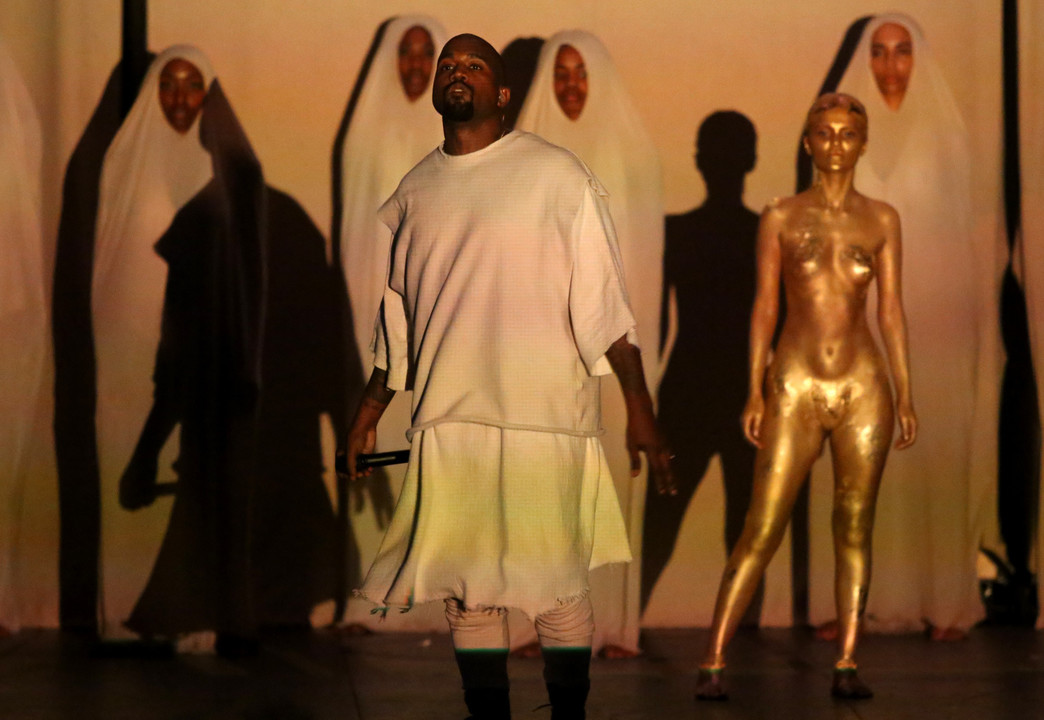
In 2008, 808s & Heartbreak marked one of the most radical stylistic pivots in mainstream rap.
At the height of his commercial power, West abandoned traditional rap delivery for Auto-Tuned singing and minimalist electronic production. Initially divisive, the album proved enormously influential.
Its Long-Term Impact:
- Normalised vulnerability and emotional fragility in hip-hop.
- Established melody-driven rap as a dominant commercial form.
- Influenced an entire generation of artists blending rap, pop, and R&B aesthetics.
Today’s introspective, genre-fluid hip-hop landscape owes much to this moment of risk.
The Postmodern Hip-Hop Blueprint
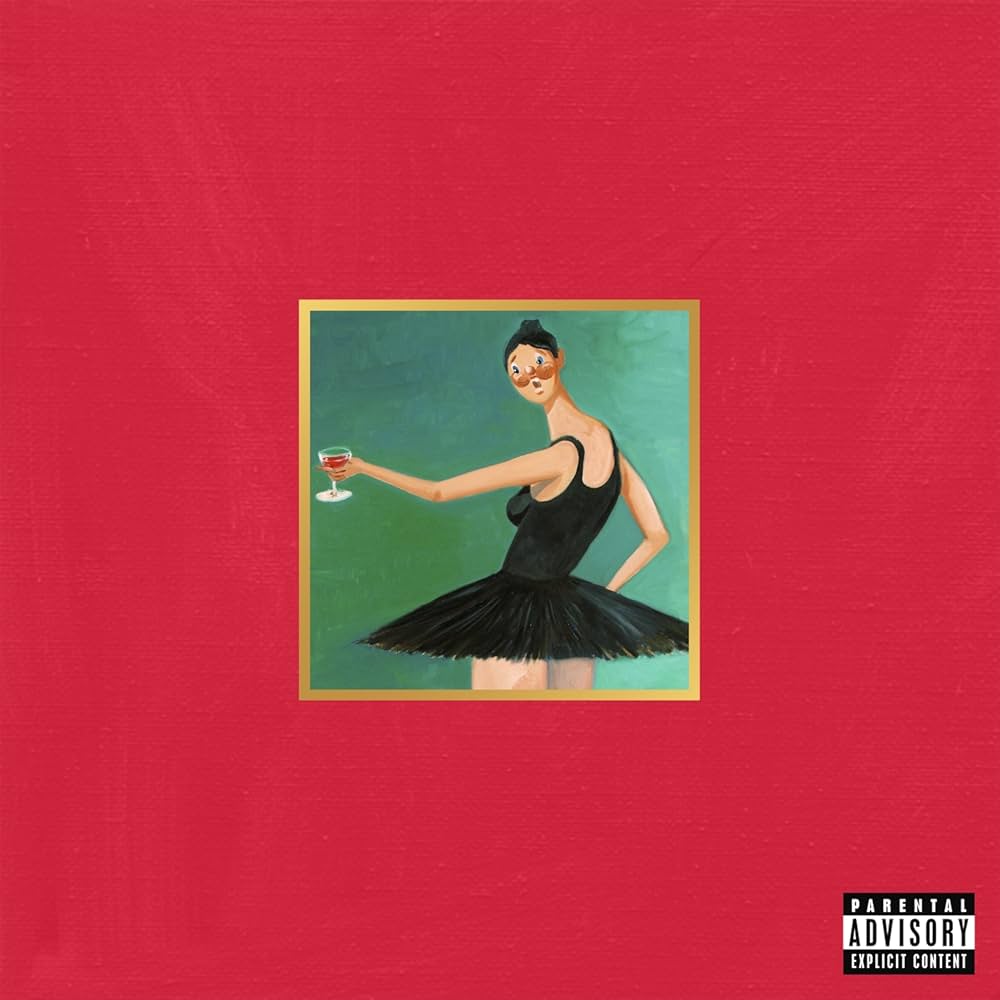
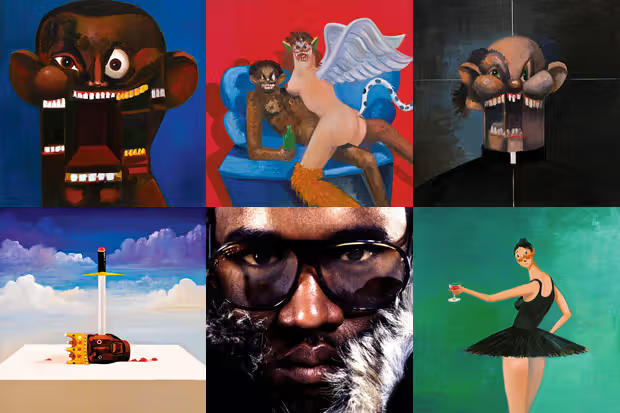
West’s later works, especially My Beautiful Dark Twisted Fantasy and Yeezus, crystallised what could be called a postmodern phase of hip-hop.
Rather than inventing entirely new sounds, he acted as a cultural synthesiser, pulling together disparate influences:
- Maximalist production, progressive rock structures, and orchestration.
- Industrial, electronic, and avant-garde textures entering the mainstream.
- Self-referential storytelling and myth-building around the artist persona.
In this sense, West functioned less like a traditional innovator and more like a curator-architect—making experimental aesthetics legible to mass audiences.
Beyond Music: A Holistic Cultural Figure
Kanye West’s influence cannot be measured solely through charts or awards. His real impact lies in redefining what a hip-hop artist could be:
- The artist as multidisciplinary brand (music, fashion, performance, design).
- The album as conceptual statement, not just a collection of songs.
- The collapse of genre hierarchies, where rap could absorb electronic, rock, gospel, and experimental traditions.
- Internet-era authorship, where controversy, spectacle, and creativity coexist in real time.
He became, for better or worse, a central figure of the digital age’s blurred boundary between art, persona, and media narrative.
Separating Influence from Individual
Acknowledging Kanye West’s influence does not require endorsing his actions or statements. Cultural history is filled with figures whose contributions remain foundational despite deeply problematic lives.The challenge for critics, scholars, and audiences is analytical rather than moral:
to understand how certain works reshape artistic languages even when their creators remain contested.
Conclusion: A Structural Legacy
Kanye West did not simply produce successful albums—he altered the framework of contemporary music:
- He broadened the emotional vocabulary of hip-hop.
- He accelerated the fusion of rap with global pop culture.
- He modelled the 21st-century artist as a total cultural agent rather than a genre specialist.
Whether viewed as visionary, disruptor, or contradiction, his imprint is embedded in the DNA of modern music. To study today’s sonic landscape without him would be to overlook one of its central architects.
