The concept of « New Chinese Style » was proposed by the renowned Chinese architect Liang Sicheng. Initially, it was mainly applied in the field of architecture. With the rise of the « national style », the style of « New Chinese Style » is no longer limited to the field of architecture; it also has applications in accessories and clothing.
The interpretation garden of traditional Chinese style culture in the current era background is contemporary design based on a full understanding of contemporary Chinese culture. The « New Chinese Style » is not just a collection of traditional elements but combines modern elements with traditional elements through an understanding of traditional culture to create things with traditional charm, allowing traditional art to be appropriately reflected in today’s society.
This article aims to reveal a rarely-discussed perspective: « New Chinese style » is far more than just a cultural phenomenon; it is a business strategy actively designed and systematically promoted by capital (specifically referring to strategic venture capital institutions, large brand groups, and industrial capital). Its ultimate goal is to complete the modernization « translation » of Chinese culture and lay out replicable business model pipelines for its future « reverse export » to the global market.
Risk Management In Track Investment
People have always regarded capital as following the footsteps of culture. However, the opposite is true; it is capital itself that makes the choices and shapes this path.
Based on scientific discoveries and technological inventions, hard technology that has been accumulated over a long period of time. Its investment threshold is high and the cycle is also very long. Therefore, in order to seek certainty, capital has chosen the consumption and culture sectors. « New Chinese Style » is supported by the government, has the most mature global consumer goods supply chain, and can address the identity anxiety of the Z Generation. Capital has discovered that this is a sector with monopolized cultural discourse rights and controllable costs.
When it comes to building a brand, the most overlooked truth is that the product is just the entry point; what users truly purchase is the « better version of themselves » in their hearts. Producing physical goods is easy, but generating meaning is difficult. And « New Chinese Style » can transform cultural symbols into brand assets. For instance, a certain fragrance brand does not simply sell « the taste of the White Rabbit candy ». Instead, through packaging design, copywriting stories and the offline environment, it sells the unforgettable childhood memories that cannot be replicated. The significance of this series lies in its ability to be replicated, iterated and scaled by capital. This is precisely what capital values most – the scalable premium value.
All over the world, people have diverse cultural backgrounds and values, which directly influence consumers’ behaviors. Consumers in Europe and America may place greater emphasis on technological innovation and environmental protection concepts, while in the East Asian market, consumers may pay more attention to the practicality and price advantages of products. The « new Chinese style » localized marketing helps brands establish an emotional connection with local consumers. By using cultural symbols, a brand can establish a friendly image in the minds of consumers.In today’s world where globalization is facing setbacks, relying excessively on a single overseas market or a single cultural image poses risks.
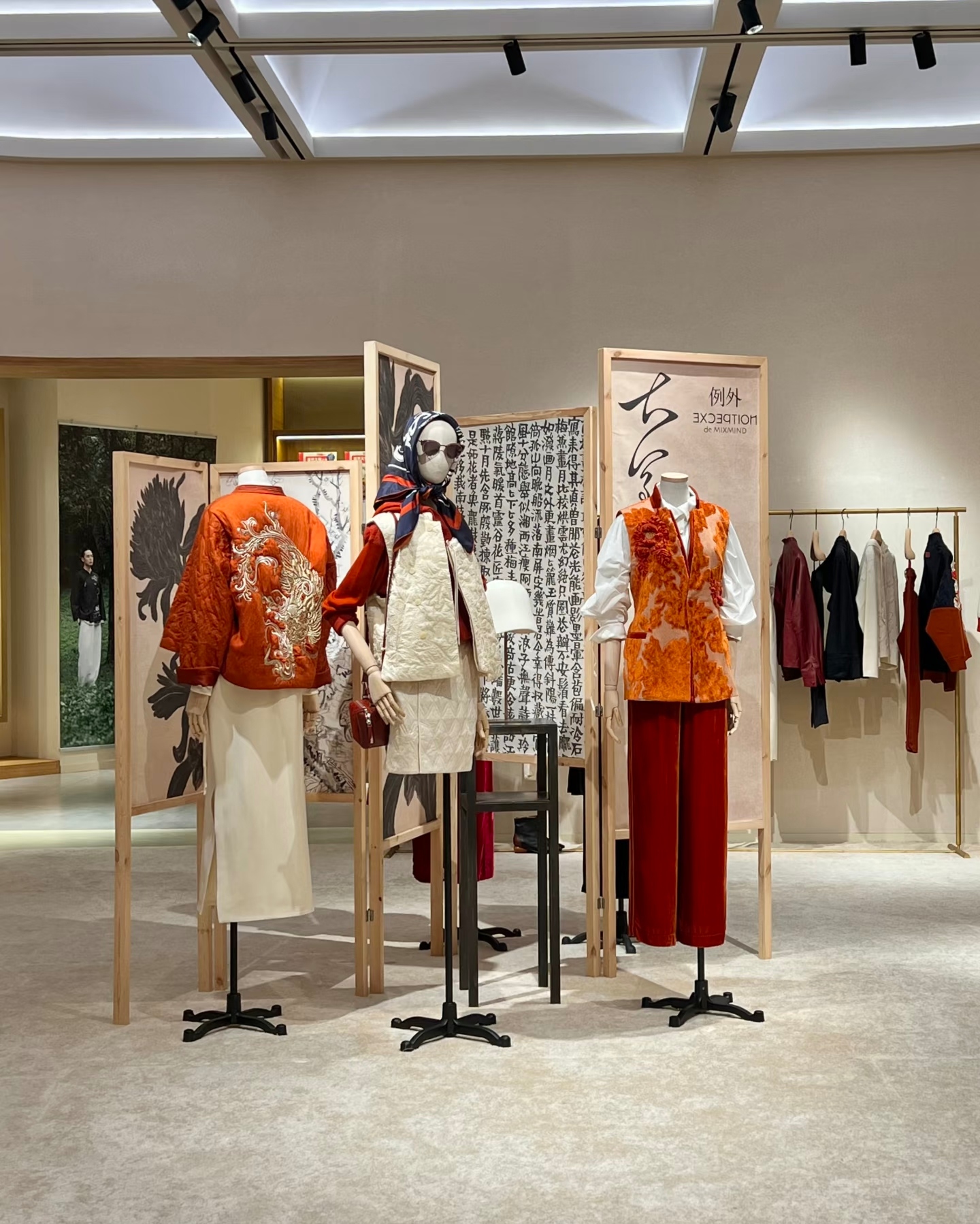
On the special theme day of « Coexistence of Lines and Webs » at the China Pavilion of the World Expo, the finale was an Eastern aesthetic fashion presentation. Drawing inspiration from the charm of Tang Dynasty brocade and the bamboo patterns of the Song Dynasty, it delved into the essence of Eastern culture and incorporated traditional handicraft techniques such as hanging dyeing. In the dialogue between Eastern and Western aesthetics, it reconstructed the clothing language that integrates the past and the present.
The « Narrative Engineering » Behind Marketing
The marketing of « New Chinese Style » is not only about advertising; it is a meticulous « narrative project ». Its professionalism is grossly underestimated by the general public.
Corporate social responsibility here is no longer a cost, but rather traditional cultural content materials and trust. Integrating traditional elements into art installations can help better preserve historical culture. Traditional art can be reinterpreted and presented in new ways. This is the unique cultural and artistic charm of intangible cultural heritage that interprets the current trend of installation art, driving the continuous innovation and upgrading of intangible cultural heritage. The application of traditional materials is transformed into a practical implementation of the « sustainable oriental philosophy ». This achieves two goals: externally, it meets the ESG investment standards and the moral aesthetic standards of consumers; internally, it establishes a supply chain barrier and cultural authorization authenticity that is difficult for competitors to imitate.

This « Art Museum Night » product appreciation event is not only a cultural feast, but also a profound dialogue between tradition and modernity, the past and the future. It allows everyone to quietly experience the collision of classic and fashion, and the new charm is once again perceived through its inheritance and preservation.
The exhibition items include the « Art Museum Night » show products as well as the three major series of autumn humanistic urban and lifestyle products.
In recent years, more and more young people have been drawn into the world of traditional Chinese culture, such as experiencing intangible cultural heritage, participating in folk activities, visiting ancient buildings and other cultural tourism projects. These projects have continued to be extremely popular. Traditional culture is now being widely spread through social media and gradually reaching a wider audience. Brands’ selection of cultural elements is not based on simple intuition or feelings. Instead, they use social media popularity analysis and e-commerce search term databases to conduct « data mining of cultural elements ». Which historical figures have a « fan creation » foundation among young communities? Which ancient poems and sentences are more likely to trigger social dissemination? The data analysis results directly guide product development and content creation. The so-called « cultural revival » is actually a set of algorithm-recommended « high-potential cultural IP lists ».
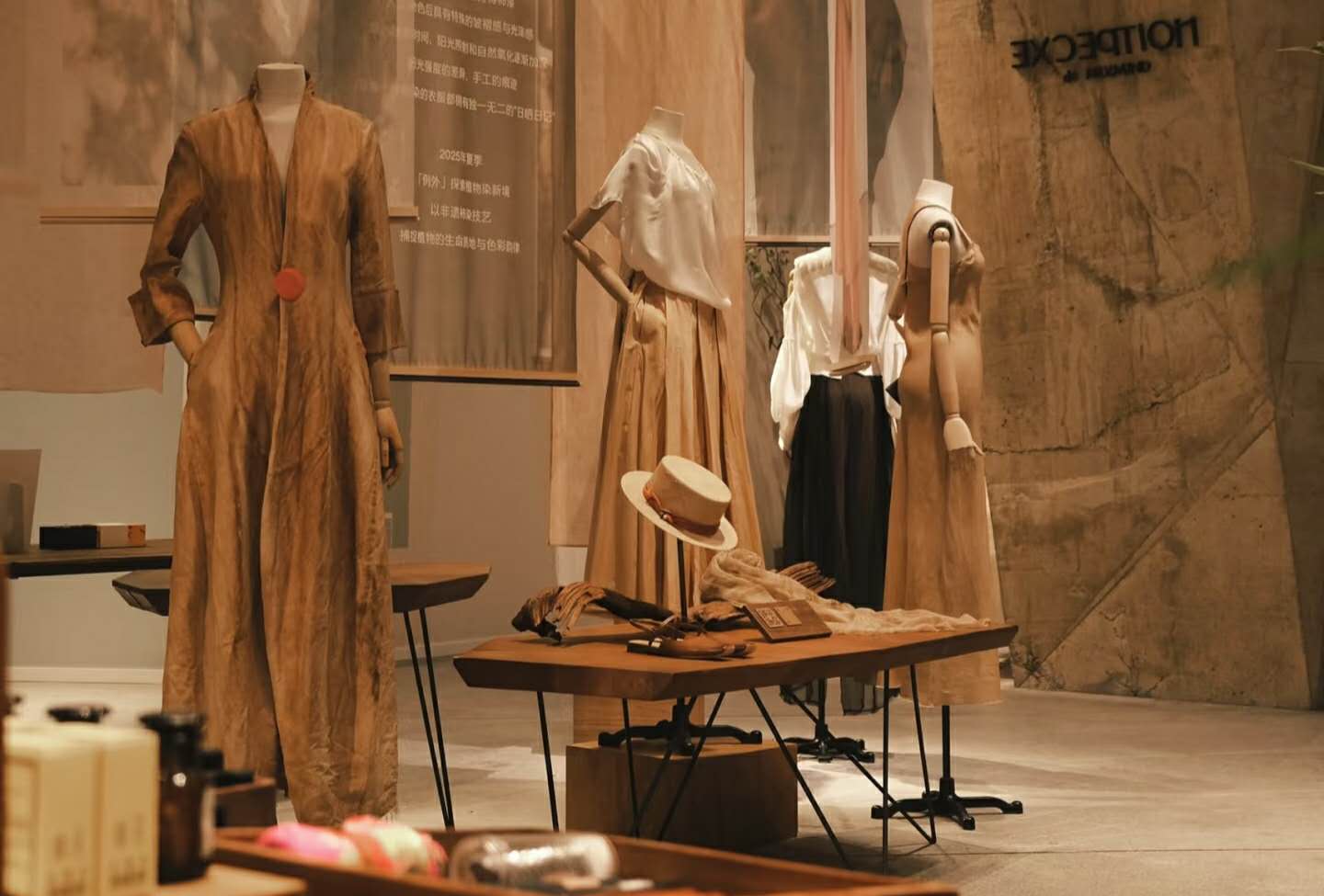
The offline stores of « New Chinese Style » brands have long gone beyond being simply « places for shopping ». They are more like a comprehensive venue that integrates cultural experiences, social spaces and lifestyle, allowing consumers to immerse themselves in the charm of Chinese aesthetics while making purchases. They are designed as immersive theaters, serving as the physical conclusion of the brand’s narrative. Here, the space design, salesperson’s remarks, even the scents and background music, are all meticulously arranged, with the aim of completing the final experience and confirmation of the brand story by consumers. This is an aggressive innovation that completely transforms « retail » into « cultural service industry ».
Final goal: Build The Export Capability Of « Cultural Standards »
As China’s overall national strength continues to grow, Chinese culture is expected to achieve more extensive international dissemination within the next 20 to 50 years. Although this is a long and arduous process, with continuous efforts, one day « Guofeng »(A trend style that integrates elements of traditional Chinese culture with modern aesthetics, it represents cultural confidence and a love for Eastern aesthetics.) will be able to create a craze in the European and American markets just like Japanese culture has done. All these measures are aimed at a much broader and less spoken-about business objective: to participate in and lead the « standard-setting » of global lifestyles.
The concept of slow life advocated by « New Chinese Style » aligns perfectly with the current development trend of society. With the promotion of emerging technologies such as artificial intelligence, significant improvements in work efficiency will provide people with more leisure time. At that time, a slow-paced lifestyle that values enjoyment and quality will likely become the mainstream. And Chinese style can perfectly interpret this leisurely, elegant, and return-to-nature attitude towards life. A cup of tea, a piece of ancient music, and a set of simple and elegant clothing can create an atmosphere that complements the slow life. Just like how Nordic style defines minimalism and functionality, « New Chinese Style » attempts to define a contemporary Eastern philosophy of « finding tranquility in the midst of chaos and concealing clumsiness in technology ». This is no longer trade; it is the infrastructure output of cultural soft power.
Author: Guanrong Zhang
