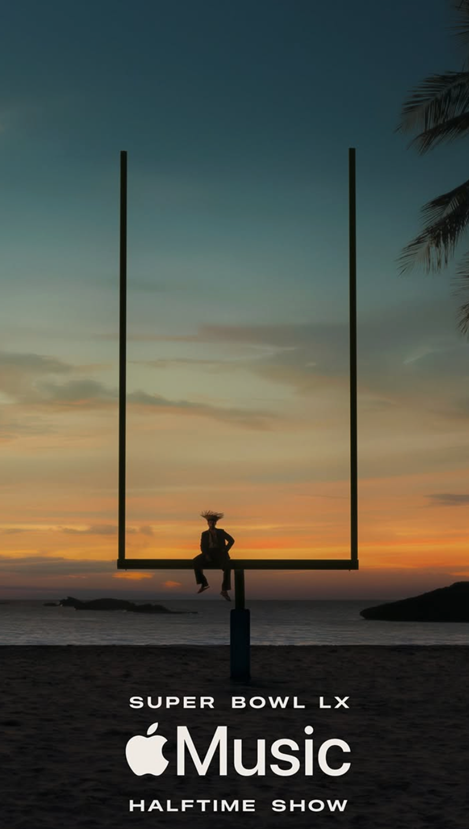
The Super Bowl: From Sports Game to Cultural Phenomenon
The Evolution of the Halftime Show
Originally, the Super Bowl was only the final game of the American football championship, organized by the National Football League (NFL), the main professional football league in the United States. After merging in 1970 with the American Football League (AFL), a rival league that had emerged in the 1960s, the NFL turned the Super Bowl into the ultimate national championship game.
There was, however, a challenge: during the 15-minute halftime, part of the audience would switch channels. Competitors even broadcast special shows or comedy sketches, sometimes attracting up to 20 million viewers. To solve this issue, the NFL decided to turn halftime into a real entertainment moment.
At first, shows featured marching bands or cheerleaders, mainly to “fill the gap.” But in 1993, a historic turning point came when Michael Jackson performed at Super Bowl XXVII. His show marked the beginning of a new era: the Halftime Show became a global pop culture event.
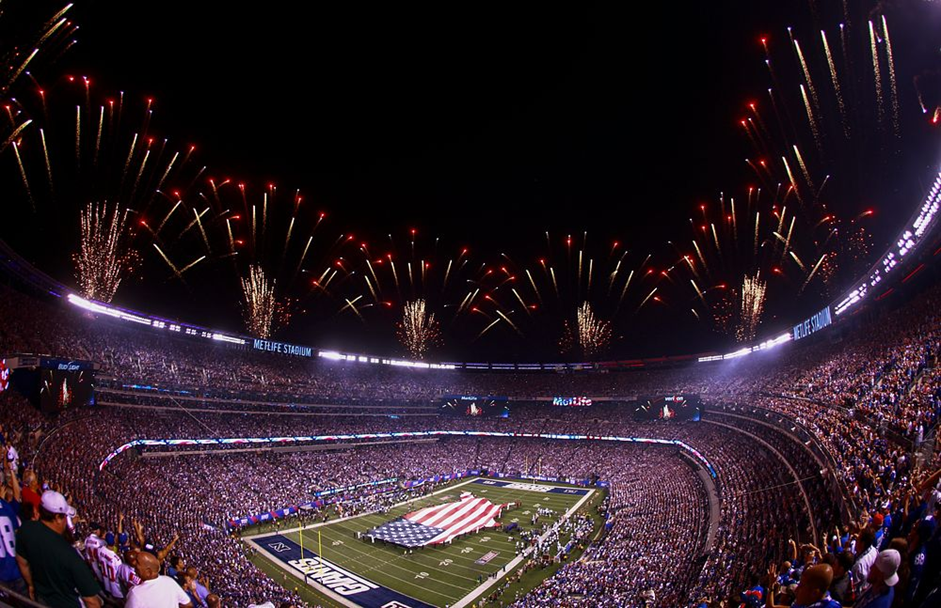
An Economic Model Built on Visibility
Few people know this, but artists performing at the Super Bowl Halftime Show are not paid according to the scale of the event. The NFL covers the massive production costs (stage, lights, special effects), but the artist’s actual paycheck is symbolic. For example, Usher, the American R&B singer and performer, reportedly earned just $671 for his performance, plus rehearsal compensation.
The model is based on exposure: with more than 100 million viewers, the visibility is priceless. The commercial payoff is immediate with streaming boosts, album sales, social media followers. After Rihanna’s show, the pop and R&B icon, her sales increased by 640%, while songs performed during Super Bowl LIV saw a combined growth of 893% in the U.S.
The Audience Record
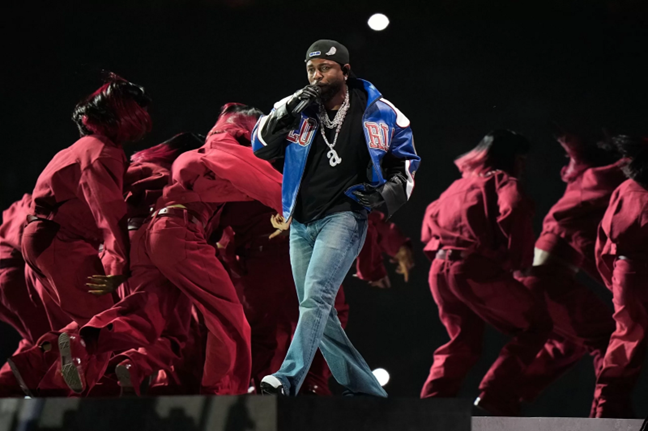
In February 2025, rap singer Kendrick Lamar and R&B artist SZA’s show reached 133.5 million viewers, making it the most-watched Halftime Show in history. These numbers confirm the halftime spectacle is now as important as the game itself.
30nama.com
Bad Bunny at the 2026 Halftime Show: Between Visibility and Protest

A Highly Anticipated Announcement
On September 29, 2025, the NFL, Apple Music, and Roc Nation announced that Bad Bunny, the Puerto Rico artist who has become one of the most influential figures in global pop and reggaeton, will headline the Super Bowl LX Halftime Show, scheduled for February 8, 2026, at Levi’s Stadium in California. The artist had already hinted at this by declaring on X that he would do “only one date in the U.S.”,this unique show.
This choice carries symbolic weight: despite his world tour Debí Tirar Más Fotos, Bad Bunny deliberately excluded the U.S. from his schedule to protect fans from immigration raids conducted by ICE under Donald Trump’s policies.
A Politically Engaged Artist
Bad Bunny is no stranger to political statements. In the video for NUEVAYoL, released on July 4 (a symbolic date: U.S. Independence Day), powerful images include a fake Trump speech apologizing to immigrants, the Statue of Liberty covered with the Puerto Rican flag, and references to the Latino and Puerto Rican diaspora. Through his art, the artist expresses identity struggles and social critique.
To learn more about Bad Bunny’s album Debí Tirar Más Fotos and his artistic vision, read: https://culture.audencia.com/debi-tirar-mas-fotos-bad-bunnys-love-letter-to-puerto-rico/ » target= »_blank
A Turning Point for Latin Culture
Bad Bunny will be the first Puerto Rican and Spanish-speaking artist to headline the Halftime Show solo. This performance could mark a turning point, bringing more visibility to Latin music within U.S. mainstream culture. But it also sparks debate: some conservative audiences criticize the choice of a politically engaged, mostly Spanish-speaking artist, while others celebrate the recognition of a marginalized community.
Conclusion
The Super Bowl Halftime Show has become a global cultural phenomenon. In 2026, Bad Bunny will transform the stage into both a spectacle and a political statement, reaching millions of viewers. Between culture, activism, and entertainment, this show is already shaping up to be historic.
Written by Maia Handy
Bibliography:
https://www.liberation.fr/culture/musique/super-bowl-2026-la-superstar-portoricaine-bad-bunny-tres-critique-envers-trump-choisie-par-la-nfl-pour-se-produire-a-la-mi-temps-20250929_7VKXPYQXTRCBZN6QGO7NSI6L5Q/
https://www.billboard.com/lists/super-bowl-halftime-shows-music-sales/ » target= »_blank, source: Billboard
https://fr.wikipedia.org/wiki/Spectacle_de_la_mi-temps_du_Super_Bowl
Images:
https://www.instagram.com/p/DPKzLiTCUAs/
https://www.cuej.info/web-en-continu/super-bowl-5-choses-savoir-sur-ledition-2025
https://fa.wikipedia.org/wiki/%D9%BE%D8%B1%D9%88%D9%86%D8%AF%D9%87:Kendrick-lamar-super-bowl-halftime-show-2025.webp
https://www.heute.at/i/jetzt-fix-er-uebernimmt-die-super-bowl-halftime-show-120133926/doc-1j6a963kh4
https://www.youtube.com/watch?v=chWFl2a7D20

