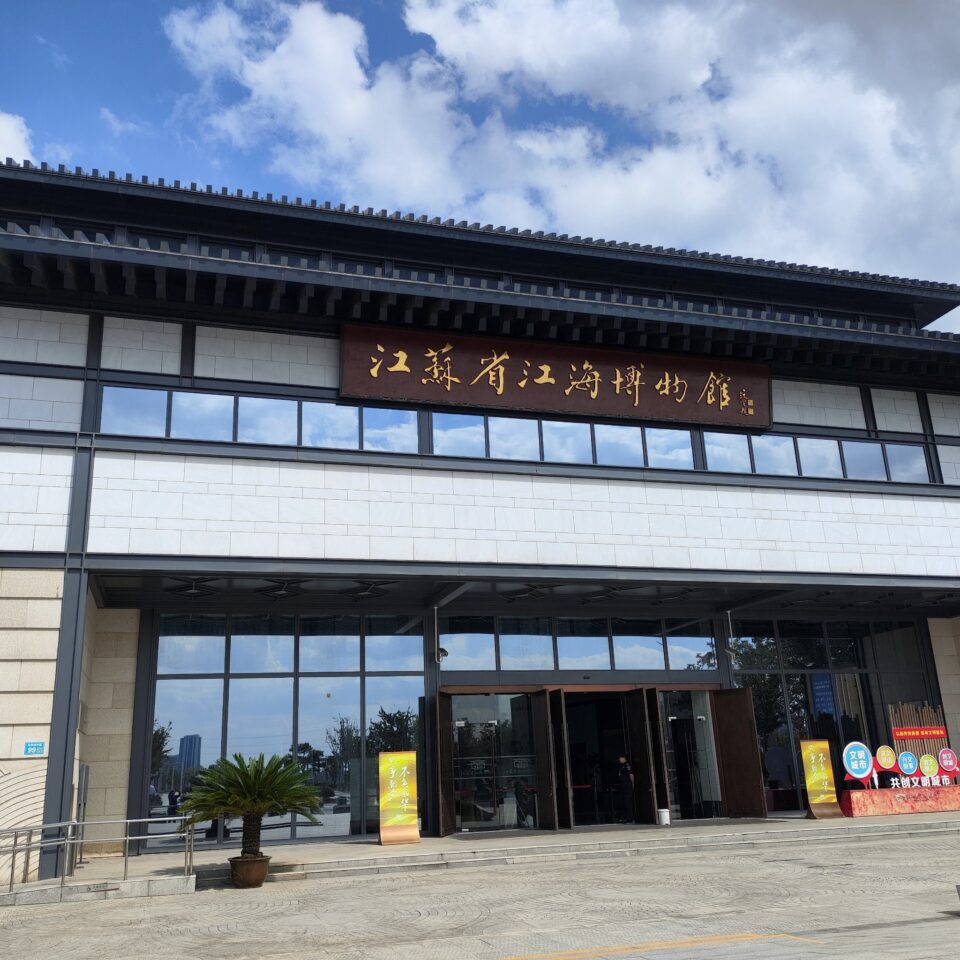
The spreadsheet on my desk declared the previous quarter a success: visitor numbers were up, acquisition targets were met. But late one night, alone in the Jianghai Museum under the soft glow of the exhibition lights, that success felt curiously hollow. I was preparing for a « Museum Night » event, and the silence around me wasn’t empty—it was thick with potential. Staring at a newly restored porcelain vase, a question seized me: how do we measure this? Not the vase itself, but the stillness, the anticipation, the connection a visitor might feel hours later.
My role at Jianghai Museum placed me at the center of this tension. I wasn’t just theorizing about performance management; I was deep in the trenches of it, grappling daily with two powerful frameworks: Key Performance Indicators (KPIs) and the Balanced Scorecard (BSC).
Think of KPIs as the museum’s pulse—specific, quantifiable metrics that track vital signs like visitor numbers and new acquisitions. They tell you what you’re achieving. The BSC, in contrast, provides the strategic story. It’s a broader lens that examines the museum through four interconnected perspectives—Public Values, Public Service, Internal Processes, and Learning & Growth—forcing you to ask not just « What are we doing? » but « How do all these efforts weave together to create public values? »
=For my work at Jianghai Museum, personally I defined ‘Public Value’ not as financial return or visitor volume, but as the institution’s fundamental, often intangible, benefit to society. It manifests in three core dimensions: social cohesion (fostering a sense of community through shared cultural experiences), cultural identity (helping the public understand the relationship between history and themselves), and inspiration & education (igniting curiosity and critical thinking). In short, it measures a museum’s contribution to building a more knowledgeable, connected, and culturally confident society.
This definition became my compass. It challenged me to look beyond numbers and to figure out ways of recognizing the impacts of my work, particularly those shifts in public engagement that unfold over years, not just fiscal reports..
I can still remember those long meetings debating KPIs. « If we aim for four major exhibitions a year, what does ‘major’ really mean? » we’d ask. We built detailed metrics for everything, from new acquisitions to school visits. Later, as we struggled with the limitations of these numbers—they could count tours, but not the spark of understanding in a visitor’s eyes—our team began exploring the BSC. We started asking even harder questions: « How do we know if we’re genuinely creating public value? »
The shift in questioning was uncomfortable but vital. It forced us to look beyond our comfort zone of spreadsheets and into the messy realm of human experience. We began to see that our true impact wasn’t just in the number of educational sessions held, but in the quality of questions visitors asked afterwards. It wasn’t about the percentage increase in traffic, but about whether someone spent thirty minutes diving deep into a collection, truly connecting with a piece of history. This wasn’t merely a change in tools; it was a change in mindset, from managing outputs to stewarding outcomes. We were learning to value the story behind the statistic.
This firsthand experience from counting artifacts to understanding the public value of museums is what I want to share.
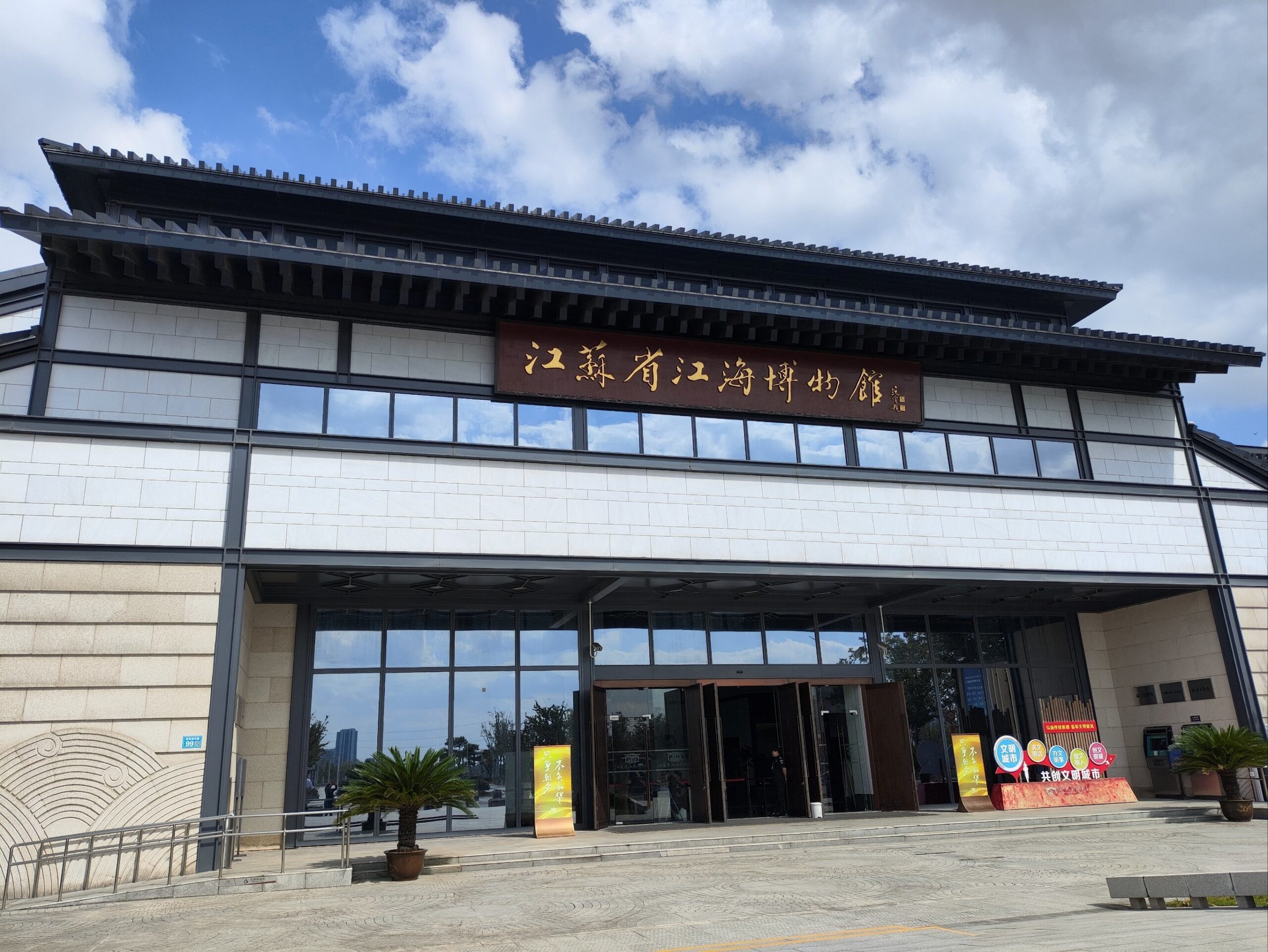
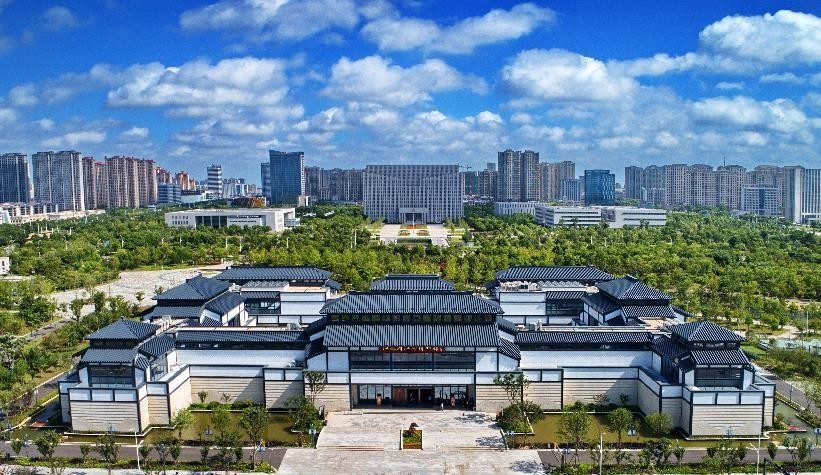
To understand this story, you need to know its main character: the Jianghai Museum itself. It’s not just any institution; it’s a national second-grade museum, a fixture among China’s Top 100 Thematic Museums, and a AAA-level tourist attraction where modern architecture frames exhibitions on the culture of rivers and oceans. Located in Jiangsu Province, a region defined by its waterways, the museum’s mission is both a tribute to local heritage and a statement about ecological and cultural connections. This unique blend of local identity and broader purpose is what made its performance management so critical—and so challenging. We weren’t just protecting a collection; we were creating public values.
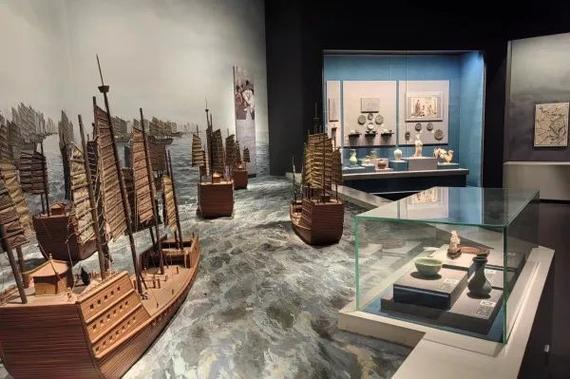
There’s no denying the power of a clear target. For a museum like Jianghai, a goal like « acquire 3,948 items in three years » provides incredible focus and a clear finish line. The discipline pays off; the pride we felt when we surpassed that target was real. Similarly, the KPI for « four thematic exhibitions annually » pushed us to be both disciplined and creative, resulting in acclaimed shows like « Light of Jianghai, » which explored the transformation of rivers and seas over two millennia.
But the anxiety creeps in when you realise what the numbers leave out.
You can proudly report 1,450 guided tours, but that figure says nothing about the satisfaction of the participants. Were we just counting, or were we actually connecting? This relentless focus on the measurable can quietly steer resources away from public values which matter deeply but can’t be captured in an annual report—like foundational research or long-term staff development.
The true soul of Jianghai Museum, however, was never in the spreadsheets, or single perspectives from KPI. It lived in the programs we designed to bridge the gap between numbers and meaning, lived in the public values it’s created.
Let’s take our « Director’s Reception Day » as an example to illustrate this point. It is a totally free event, developed monthly on the first Tuesday. A handful of visitors would join the director for tea in his office at that day. What began as a formal overview of our goals would turn into a free-flowing conversation. The real magic happened backstage—in the conservation lab, where visitors might watch a restorer carefully working on a centuries-old porcelain piece. I recall one visitor turning to me, awe-struck, and whispering, « I had no idea this level of care existed. It feels like a sacred duty. » That moment of shared understanding—that sense of collective responsibility—was worth more than a thousand data points. This was our live attempt to embody the « Public Service » perspective of the BSC, building trust one conversation at a time, and thus to create public values.
Then there was « Museum Night. » We threw the doors open until midnight, completely transforming the atmosphere. I vividly remember one themed « The Sound of History, » where the galleries resonated with traditional music. Visitors became active participants, trying out replica instruments, laughing, and deep in conversation with our curators. Of course, the cleanup afterward was a nightmare, but seeing the galleries so alive made it all worth it. Sure, the event boosted our visitor numbers, a KPI, to catch the people who’d never set foot in a museum during normal hours. But its real success was the public values it created. We became a vibrant hub, not just a static archive. There was a distinct magic in seeing guests return to an exhibit they’d rushed by earlier, now able to engage deeply without the daytime crowds. That’s the « Public Service » and « Internal Process » perspectives the BSC describes—something you feel in the air, not find in a spreadsheet.
Let me share another detail that particularly resonated with me. When we were implementing the KPI for « monthly public activities, » the pressure was intense—we had to meet quantitative targets while avoiding superficiality. In response, Our team came up with a « Cultural Relic Restoration Experience Day, » allowing visitors to try their hand at simple ceramic reconstruction. I’ll never forget when I watched a mother and her daughter spend a full hour completely absorbed in reconstructing a replica pottery jar, naturally discussing the importance of preserving history. That hour taught me more about engagement than any report ever could. It was a lesson in the power of creating the conditions for genuine connection, where learning emerges not from instruction, but from shared discovery. In that moment, it became clear: the most profound public value emerges from genuine, hands-on engagement and the quiet wonder of intergenerational learning.
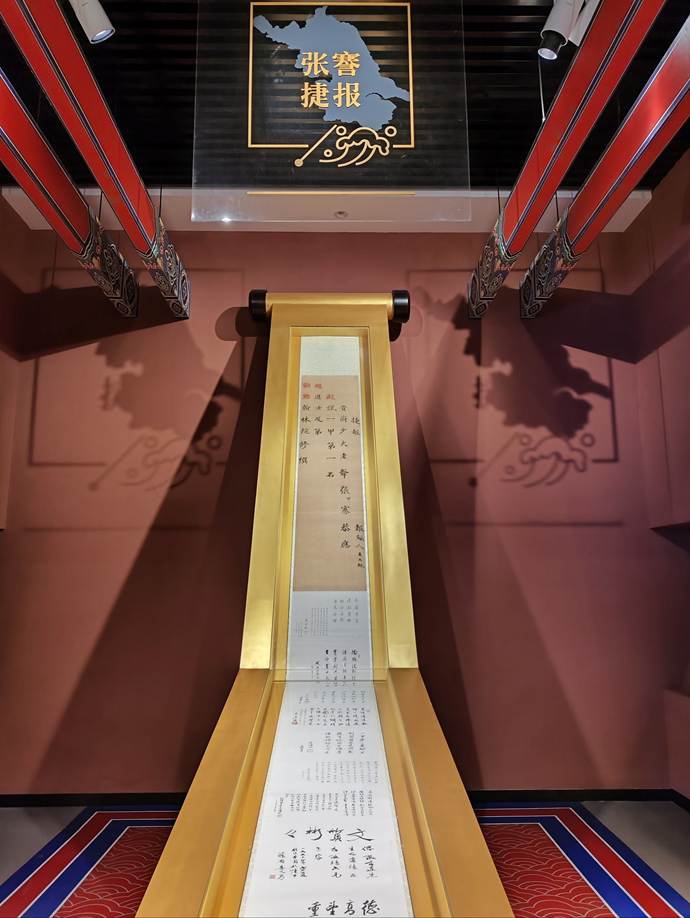
Beyond these scheduled events, the most telling signs of success were often the spontaneous ones. I’d notice a group of students who had visited for a school tour returning on the weekend with their families, the children eagerly acting as guides. Or I’d overhear conversations in the cafe where visitors were discussing an artifact they’d just seen. These unscripted moments—these threads of connection being woven completely outside of our programs—were perhaps the ultimate evidence that we were creating a space that mattered to people. They were metrics of the heart, impossible to plan for but invaluable when they occurred.
Some of the most telling indicators revealed themselves not during grand events, but on quiet Tuesday afternoons. I’d sometimes see a retiree spending an entire hour with a single display, taking notes carefully, or a young artist sketching in a corner, finding inspiration in ancient forms. These solitary, deeply personal engagements were a quiet testament to the museum’s role as a sanctuary for thought and creativity. They reminded us that public value isn’t always about collective experiences; it’s also about providing the space for individual discovery.
So, what’s the takeaway from Jianghai’s experience? It’s not about discarding KPIs. They provide the essential skeleton of a strategy. But that skeleton needs the flesh, blood, and soul of a human-centred framework like the BSC.
The future, I believe, lies in weaving the two together. It starts with a clear, compelling map—a « strategy map » that shows the connective tissue: how training our staff (Learning & Growth), leads to more engaging exhibitions (Internal Processes), which in turn creates memorable visit experiences (Public Service), and ultimately, a stronger, more culturally vibrant community (Public Value).

Traditional BSC

Museum BSC
Then, we need wiser indicators. Let’s keep track of annual visitors, but also track whether they come back. Let’s measure new acquisitions, but also measure the strengthening of local cultural identity.
The real work of museums, from where I stand, is to create these profound, lasting values. It demands the courage to value what’s hard to measure and the wisdom to treat numbers as a guide, not a gospel. A museum’s success is not a line on a graph. It’s in the quiet hum of a gallery after dark, thick with inspirations and echoing with the laughter of a visitor. That is the metric that matters most.
Author : Haoyu BAI
