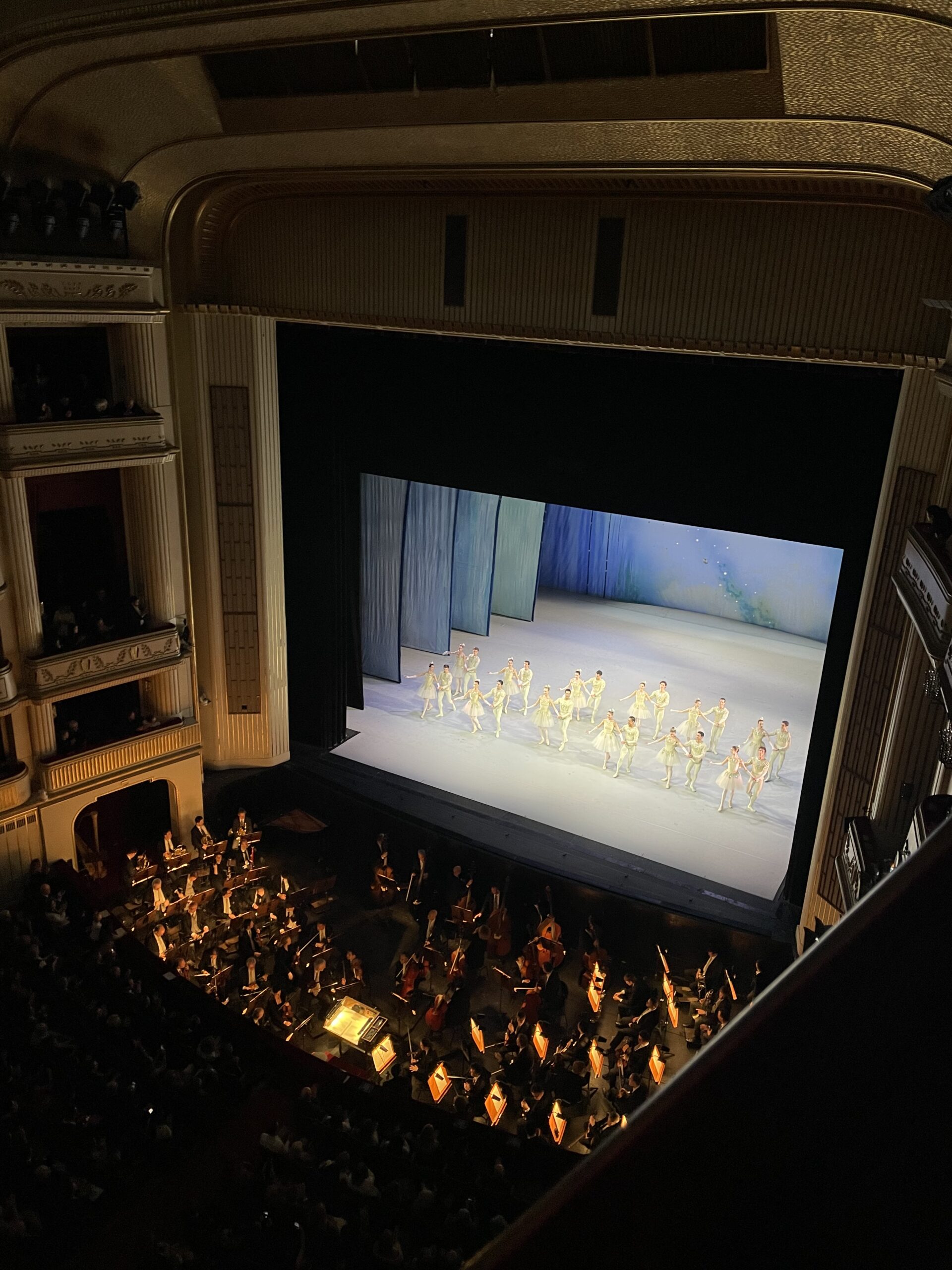
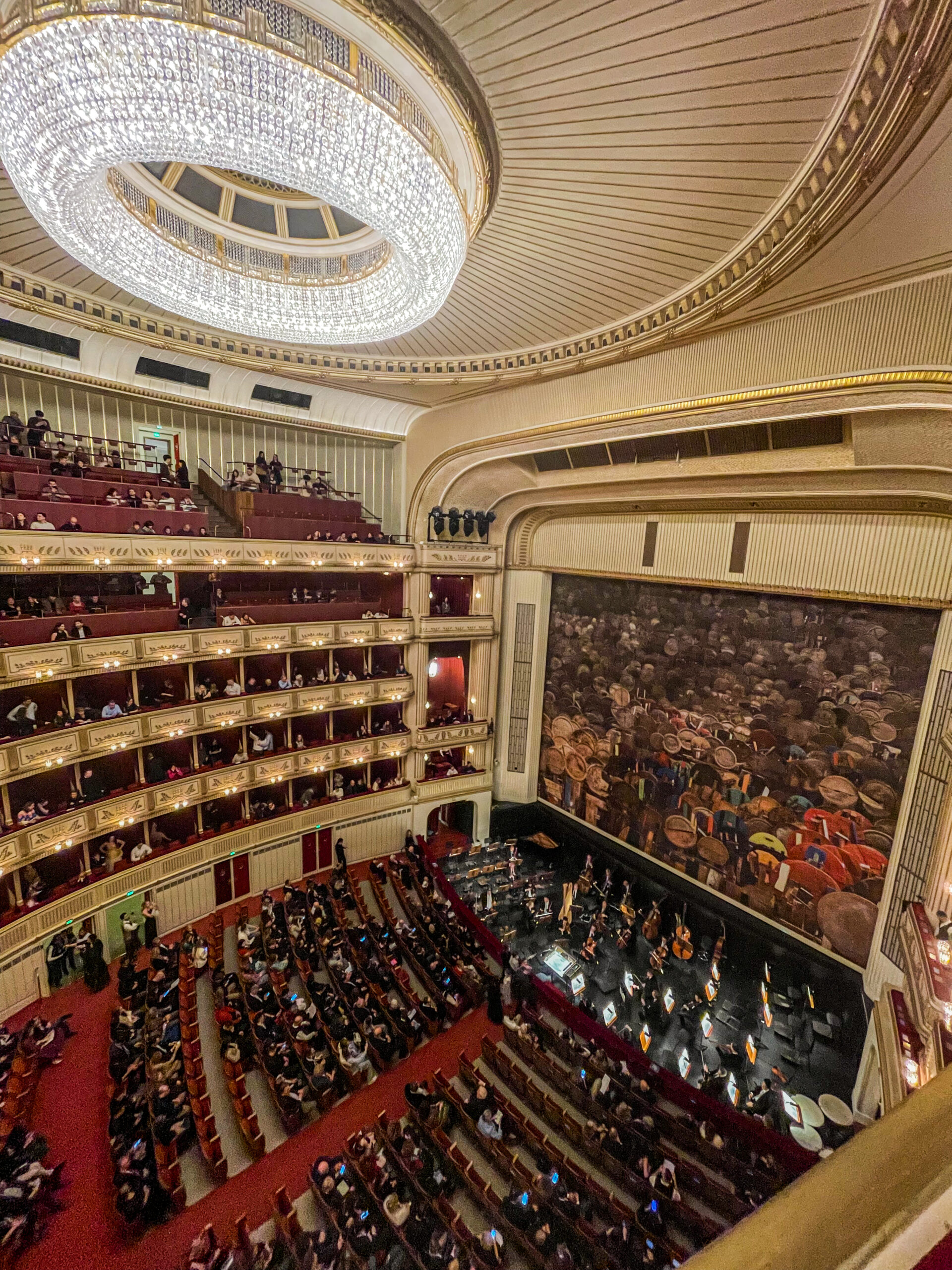
Back in February, I managed to get a seat at the Vienna State Opera. If you’ve never been, it’s exactly the kind of overwhelming, gold-leafed room that makes you sit a little straighter. We were waiting for George Balanchine’s Jewels to start. When the curtain actually went up on the « Emeralds » segment, the stage was drowning in deep green light while Fauré played in the pit. I took a second to just watch the crowd.
There wasn’t an empty chair in the house. And it wasn’t just the stereotypical sea of white hair, either. College kids, couples on dates… Everyone was just totally focused. During the jump from the slow romance of « Emeralds » into the jagged, aggressive jazz of « Rubies, » nobody looked at a phone. Nobody coughed. You could literally hear the dancers breathing. I remember catching the sound of pointe shoes hitting the floor, and the weirdly loud sound of velvet shifting as the guy next to me leaned forward. It was a massive room full of people sharing the exact same wavelength. Calling ballet a « dying art » in that room would have sounded like a joke.
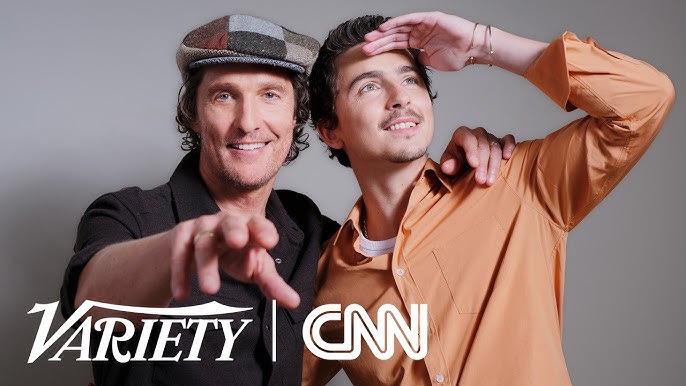
Fast forward a few weeks. Timothée Chalamet is sitting at a CNN/Variety town hall event alongside Matthew McConaughey, and he casually drops a comment that basically made the entire performing arts world choke on its collective coffee. He was trying to make a point about saving movie theaters and fighting our rotting attention spans. Totally fair. But to prop up his own industry, he decided to just take a baseball bat to the classical arts.
It happened on stage at UT Austin. He and McConaughey were hashing out the whole shrinking attention span problem. Chalamet was pointing to the insane box office numbers of Barbie and Oppenheimer as proof that people actually still want to sit in a dark room and watch a movie. Great argument, right? Except he couldn’t just leave it at that. For some reason, he felt the need to drag down an entirely different medium to make cinema look better.« I don’t want to be working in ballet or opera, or things where it’s like, ‘Hey, keep this thing alive,’ even though like no one cares about this anymore, » he declared. Realizing he had just stepped on a cultural landmine, he awkwardly added, « All respect to the ballet and opera people out there. I just lost 14 cents in viewership. I’m taking shots for no reason. »
The backlash was almost immediate, and honestly, pretty swift to watch unfold. But the whole messy situation really got under my skin. It made me start questioning how on earth we’re supposed to measure whether a piece of art is actually « relevant » anymore, especially right now in 2026.
The backlash
What makes the whole thing so incredibly strange is Chalamet’s own background. We’re talking about a guy who practically grew up in the wings of the New York City Ballet. His mom, his sister, his grandmother… they were all dancers. His mother, Nicole Flender, went to Yale on a ballet scholarship before turning pro. It wasn’t just some after-school hobby; it was the family business.
It stung so badly that the principal of his old high school, the famous LaGuardia arts school, actually penned an open letter. They essentially had to scold their most famous graduate, dropping a very polite but firm « we do not rank art forms, » before adding, « We know your heart, and we know you know better. » To the classical world, this wasn’t just a clueless movie star talking. It felt like one of their own taking a cheap shot from the penthouse.
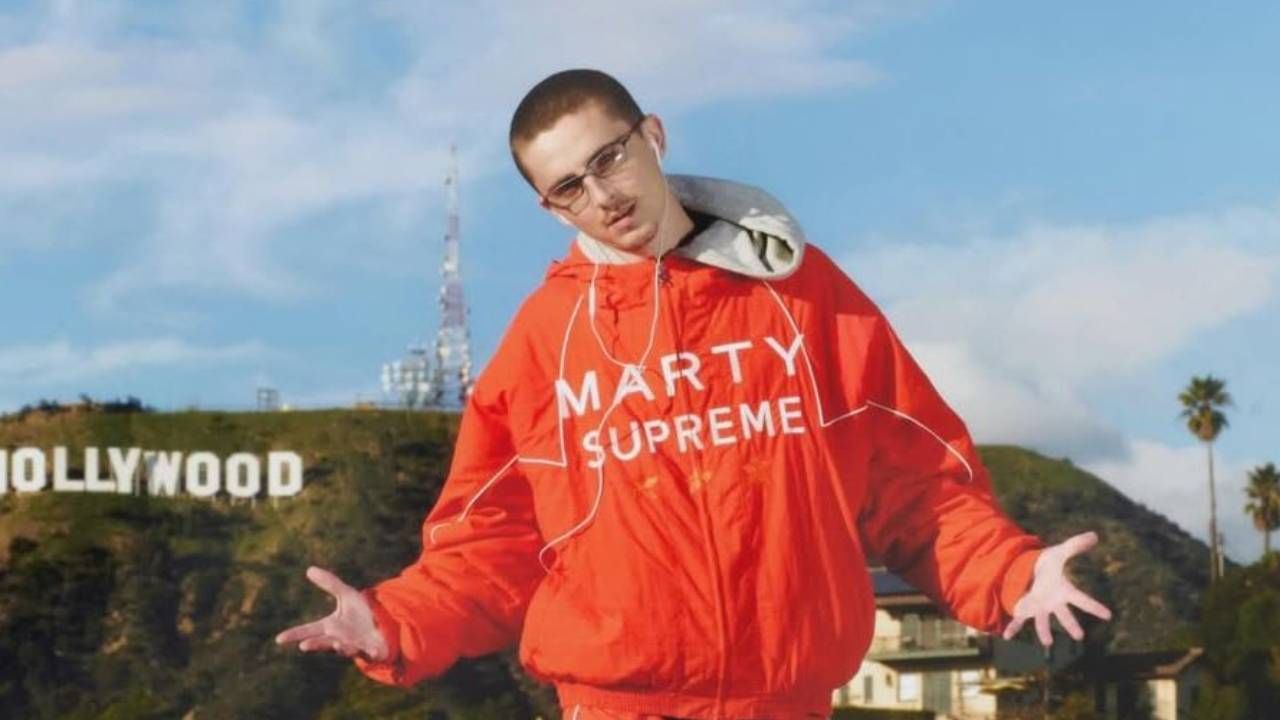
And the timing? Literally the worst. He dropped this bomb right at the peak of his Oscar run for Marty Supreme.
The backlash was immediate, and it wasn’t just angry people on Twitter. Industry heavyweights refused to let it slide. Misty Copeland called out the absolute nerve of his comments, which was especially awkward since she’d actually helped him promote Marty Supreme not long before. Steven Spielberg seemed to throw some subtle shade during a SXSW keynote, going entirely out of his way to praise the profound value of live performance. Jamie Lee Curtis just started hitting the share button on a bunch of angry posts from European opera houses, and even went as far as hyping up Chalamet’s main Oscar rival.
Tiler Peck over at the New York City Ballet wrote a fired-up response about the literal blood, sweat, and tears dancers pour into their craft every single day to create something beautiful. Andrea Bocelli took the high road, dropping a incredibly classy statement about how opera and ballet feed the human need for truth and emotion, ending with an open invitation for Chalamet to actually come to a show. Whoopi Goldberg and Juliette Binoche voiced their frustrations, and even Doja Cat hopped online (before quickly hitting delete) to point out that these art forms have survived for half a millennium.
Online, people started connecting the dots on how badly he’d shot himself in the foot. Up until that point, Chalamet was the locked-in Best Actor favorite for his ping-pong biopic. His whole brand this season was the humble, artsy indie darling. In ten seconds, he completely shattered that image and painted himself as an out-of-touch Hollywood snob. With Michael B. Jordan picking up massive, undeniable buzz for Sinners, dropping a joke about losing « 14 cents in viewership » right as Academy voters were filling out their ballots was a historically bad move.
We all saw how that played out last night at the 2026 Oscars. He didn’t just lose Best Actor, a defeat plenty of insiders are quietly pinning on this exact PR mess, he became the opening monologue’s main target. Conan O’Brien joked to millions of viewers that the Dolby Theatre had beefed up security because of « threats from the opera and ballet communities. » Ouch. Then, to really twist the knife, the Academy brought out Misty Copeland to perform. Chalamet had to sit there in his tuxedo, forcing a polite smile for the cameras, while the exact art form he called irrelevant literally danced all over his Oscar dreams.
Honestly, though, the arts institutions themselves had the best reactions. The Met Opera started dropping viral behind-the-scenes TikToks showing off the legions of crew members it takes to pull off a show, cheekily dedicating the videos to him. And the Seattle Opera? They just weaponized his exact quote, launching a promo code : TIMOTHEE that gave buyers 14% off tickets to Carmen. It was the perfect flex. They proved they aren’t some dusty, forgotten relic; they are digitally fluent, sharp as hell, and totally capable of out-maneuvering an A-lister’s PR machine.
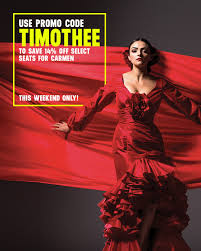
Is it really a dying art ?
The wild thing is, this wasn’t even a one-off slip of the tongue. Internet sleuths wasted zero time digging up old interviews from back in 2019 where Chalamet was already throwing around the phrase « dying art forms » to describe opera and ballet. Which really begs the question: is the data actually backing him up?
Well, yes and no. The classical arts are definitely facing some brutal headwinds right now. Between the long hangover of the pandemic, crazy inflation, drying up corporate sponsorships, and whatever AI is about to do to the industry, budgets are incredibly tight. A lot of companies have been forced to scale back the number of shows they put on each season. But mixing up a temporary cash flow problem with a total lack of cultural relevance is a massive mistake.
We’re talking about art forms that have survived for over four centuries. They aren’t just barely hanging on; they’re the actual foundation of modern entertainment. The very cinema Chalamet is out there trying to save? It completely relies on the dramatic pacing, sweeping musical scores, and visual choreography that the stage figured out hundreds of years ago.
Even the idea that these theaters are just irrelevant money pits falls apart the second you look at the bigger picture. The legendary choreographer Sir Matthew Bourne made an incredible point during all the online chaos. He basically asked: if no one cares about the classical stage anymore, why is one of the most famous theatrical shows in history literally aboutit? The Phantom of the Opera has raked in over $6 billion globally. Just to put that in perspective, that’s more than double the lifetime box office of Avatar, the biggest movie ever made. People clearly care, and they’re definitely willing to pay. They just don’t operate on Hollywood’s frantic, opening-weekend schedule.
And that whole argument about opera and ballet being too expensive and exclusive is shifting, too. Sure, opening night box seats will still cost you a small fortune. But almost every major opera house in the world is pushing these aggressive « 30 under 30 » style deals—slashing ticket prices for younger crowds to make sure those auditoriums stay packed. These institutions aren’t just sitting around in velvet chairs waiting to fade into obscurity. They are actively fighting for their audience.
What is relevancy
Looking back at that night in Vienna, the gap between Chalamet’s Hollywood mindset and what’s actually happening in theaters is just massive. His biggest misstep was treating the arts like some kind of zero-sum game. He basically decided that for movie theaters to win, an older art form had to lose. He confused going viral with actual, lasting value.
But if you take a breath and look past the immediate outrage, there’s a much darker, sadder truth hiding in his bad joke. He wasn’t just taking a swing at dancers and singers; he was quietly pointing the finger at all of us in the audience. He was letting slip a very real, deep panic that theatrical movies are heading straight for the exact same cliff. He is terrified that in a few years, cinema is going to need the same kind of wealthy donors and philanthropic life support that keeps opera houses open. He desperately doesn’t want his industry to become a museum exhibit. But in his rush to save his own medium from the TikTok generation’s rotting attention spans, he threw his artistic ancestors right under the bus.
We’re living in a time where absolutely everything is fighting for a split-second of our dopamine. Cinema is sweating right now because it’s competing directly with the smartphone in your pocket. It relies on those same fast-twitch engagement metrics. Ballet and opera, though? They operate on a completely different frequency. They aren’t trying to beat TikTok; they are the antidote to it. Chalamet’s frustration comes from an industry that’s desperately shouting to prove it’s still relevant, while the classical arts are just sitting there with the quiet confidence of surviving for half a millennium.
Sitting in that Austrian theater, watching the dancers tear through the sharp, intense choreography of « Rubies » and the massive, imperial sweep of « Diamonds, » it hit me. Real art doesn’t exist to chase whatever trend is happening this week. It exists to reflect who we are, century after century.
Movies are undeniably vital. But the movie theater experience as we know it is barely a hundred years old. Ballet and opera have literally outlived empires, economic collapses, and actual plagues. They ask something completely different of us… a slower, more willing surrender.
By trying to write the obituary for ballet and opera, Timothée Chalamet accidentally sparked a massive, global reminder of exactly why they are still breathing. He forced everyone to look up from their screens and back at the stage. Because honestly, when a live orchestra swells and you watch a human being defy gravity in total silence, you don’t need a viral soundbite to tell you it matters. You just feel it in your bones.
Written by Camille
sources :
https://www.theguardian.com/commentisfree/2026/mar/14/timothee-chalamet-opera-ballet
https://artreview.com/before-he-stole-the-oscars-timothee-chalamet-stole-ballet-and-opera
the interview : https://youtu.be/424w9fJRgYk?si=x1vt_CAt5mD2PNko
