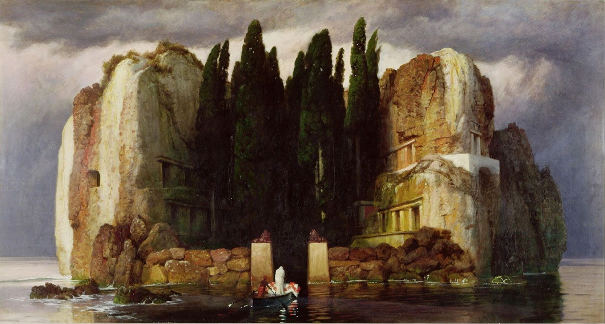
What do you feel when you look at this painting? Anxiety? Melancholy? Admiration? These feelings can come out of nowhere as if a single brushstroke could transport us without explaining anything.
This whole chemical cocktail can kick in before we understand that the painting probably evokes the passage from life to death. Our first emotion therefore arrives before we even know how to explain it.
However, does offering you this interpretation of the painting spoil that first feeling? In short, does discovering how a work of art functions bring us closer to it or risk dissolving what fascinated us?
To understand or not to understand, that is the question
Art is, above all, a catalyst for emotions. How many of us have felt joy, sadness or anger when encountering a work of art? Sometimes, this emotional journey grows out of what we understand, what we know. For example, in Roberto Benigni’s Life Is Beautiful, knowing the historical context of the Holocaust is one of the things that makes the film so devastating.
However, knowing or understanding a work of art is not always necessary to be moved. Returning to Böcklin’s Isle of the Dead (Die Toteninsel), we can feel melancholy without understanding its context or meaning. The painting alone allows us to experience something we cannot necessarily explain. The emotion then comes less from what we understand than from what we feel. Yet being moved without understanding does not always stop us from wanting an explanation; sometimes, it makes us even more curious.
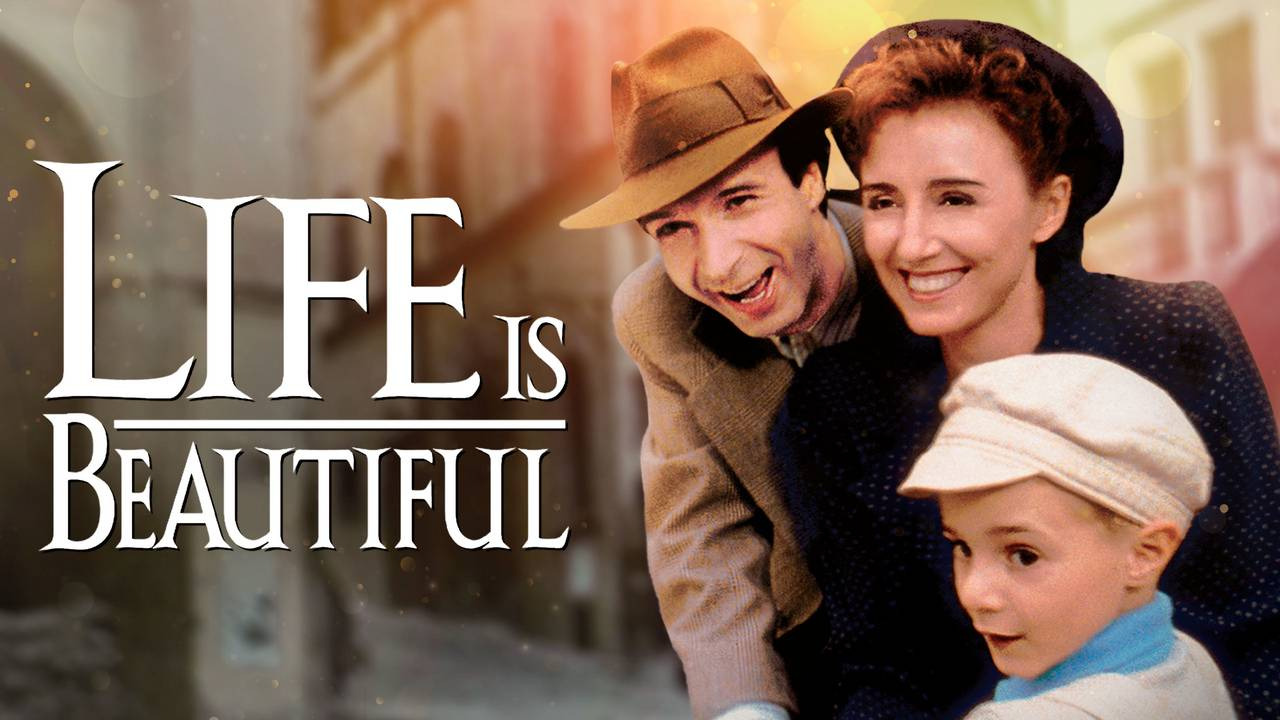
Life Is Beautiful (1997), directed by Roberto Benigni, from AshleyManning.com via Facts.net
Explaining: it’s in the Human nature
Human beings, by nature, seek to understand, to know. According to Professor George Loewenstein, curiosity arises when we notice a gap between what we know and what we would like to know. This gap can create a tension that pushes us to look for the missing information. Just look at the millions of views on videos interpreting Bloodborne, a game that is deeply cryptic about the meaning of our journey. The player may come away shaken but with plenty of unanswered questions. As a result, they look for an analysis, something that might finally shed light on what they do not understand.
Moreover, according to Kruglanski and Webster, “The need for closure is a desire for definite knowledge on some issue.” Translation: most human brains take comfort in a clear conclusion after being left confused. We have all had that moment when curiosity drives us to look for a quick answer online to a complicated problem. Anyway, once we have found that explanation, what happens to our appreciation of the work?
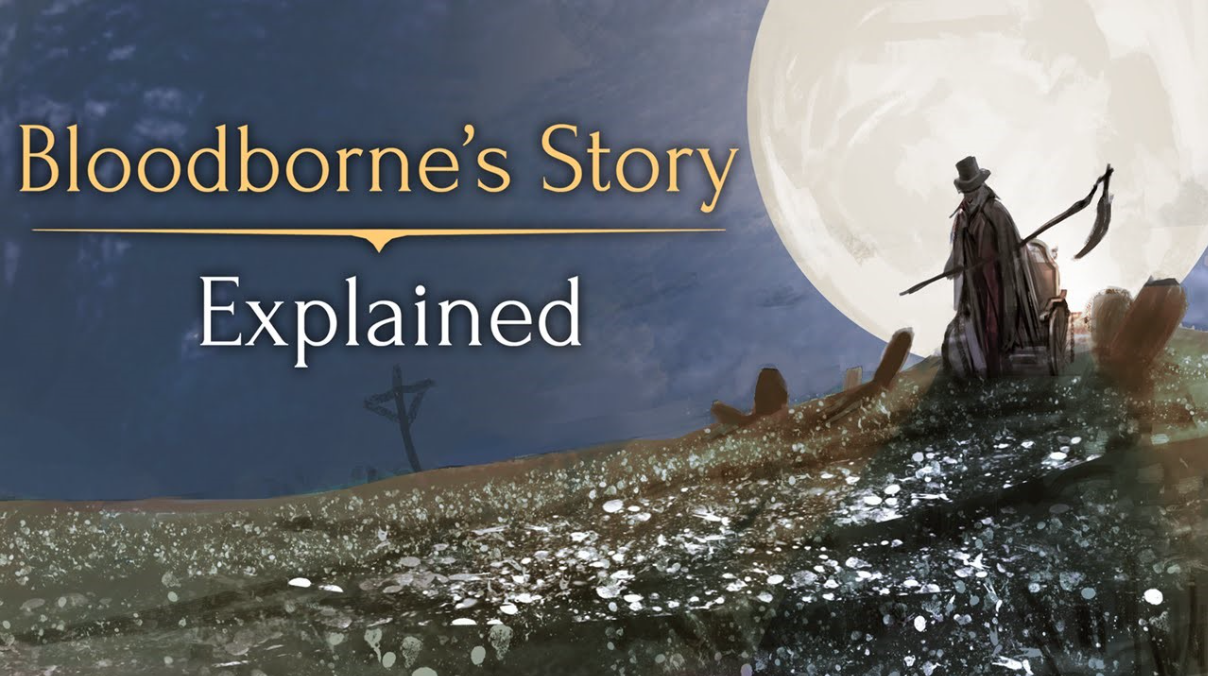
Thumbnail from VaatiVidya’s video Bloodborne’s Story Explained. Bloodborne © 2015 Sony Interactive Entertainment Inc
Once we understand, what is left of the emotion?
For someone unfamiliar with a type of art form or a particular work, understanding some of its mechanisms can make it far more rewarding. Take, for example, P. T. Anderson’s One Battle After Another. The film’s climax involves a car chase along a straight, hilly road. The scene is surprisingly entertaining, despite the fact that the two characters are “just” following each other without turning. Once the newcomer understands that much of the scene’s appeal comes from the editing (the alternating points of view, the rapid pace of the cuts) they can then marvel even more at the feat of pulling off this action sequence. As a result, understanding a work can heighten the pleasure art gives us.
However, clearing up something we do not understand can also be counterproductive. David Lynch, a filmmaker celebrated by his peers, always refused to explain his feature films because, in his view, putting a film into words means destroying the work that went into conveying emotions through cinematic language (through the camera, the editing, etc.) and nipping the beauty of imagination and personal interpretation in the bud. This question also matters in video games, where part of the story is conveyed through what the player does, not just through what they are told.
For example, if an official explanation of Signalis (a game with considerable emotional weight and a complex world) had clearly established the game’s meaning, wouldn’t it risk replacing an experience the game makes us live through with words? Let me explain: the game tries to convey emotions and ideas through its gameplay (interactivity, what makes video games unique). At one point in the story, our character literally dies and there is nothing the player can do about it: they reach what looks like the final game over. As a result, the credits roll and the viewer is left bewildered by an ending on that note. Except the story actually continues when the player starts a new game (a New Game+). This therefore allows the creator to convey the story (the presence of cycles), unique emotions and the message (the pursuit of love at any cost) through the distinctive features of the 10th art (game over and New Game+). Signalis therefore uses its own video game conventions to make us experience this repetition and the emotions that come with it by involving the player directly in that new beginning, something that simply explaining the story in words cannot recreate.
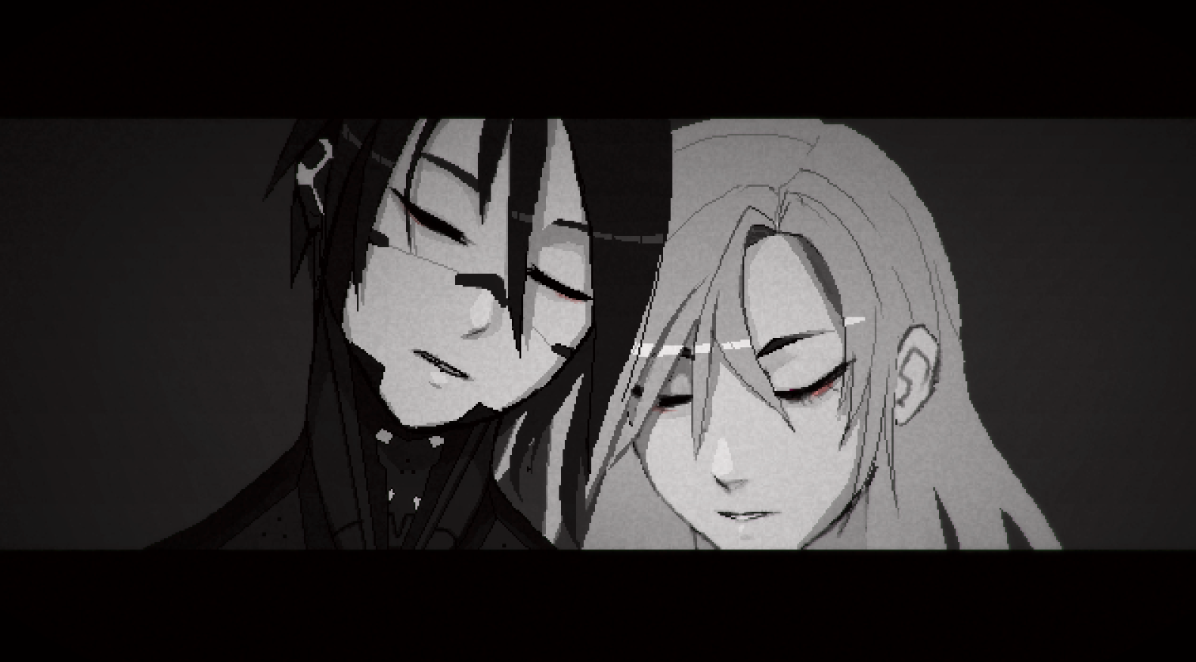
Signalis Game image © 2022 rose-engine games.
However, this view may be too radical. The audience can still be impressed: mystery is only one source of emotion among others. For example, listening to Tchaikovsky’s Swan Lake, Op. 20, Act II, No. 10 gives me chills every time even though the score has no secrets left for me. As a result, understanding how a work of art creates emotion does not mean we stop feeling it, it’s more complex than that.
Can’t stop the feeling!
Rest assured, lifting the veil on something we do not understand is not the death of art. Admittedly, some of the mystery may get left by the roadside but that will not stop you from savouring the work in front of you. Of course, everyone has their own limits and tolerances: a glimpse behind the scenes will probably affect some people more than others. No, the real advice is this: keep living with works of art, whether you understand them or not : it will (almost) always be worth it!
Written by Baptiste
Sources :
https://www.metmuseum.org/fr/art/collection/search/435683
https://pubmed.ncbi.nlm.nih.gov/8637961/ https://youtu.be/L02GgKKw18E?si=tllMFKvVruMhxWYm
https://www.cmu.edu/dietrich/sds/docs/loewenstein/PsychofCuriosity.pdf