Unlimited music, limited attention
Music has never been so present in our lives, but do we really still know how to listen to it ?
In just a few decades, our relationship with sound has been transformed: from a rare and desired commodity, it has become a continuous stream. The emergence of streaming services such as Spotify and Apple Music has revolutionised not only the way we listen to music, but also the way we think of it. Today, all the music in the world, dematerialised, is accessible at our fingertips. From the infinite freedom of choice promised by digital technology to the standardisation of listening, is what was once an aesthetic experience now becoming background consumption ?
In the 1990s, every record is a quest. The music we listened to (on cassettes then CDs) is the result of research or discovery. It is also limited. We could only listen to records we had bought at the record shop around the corner or songs we caught on the radio.
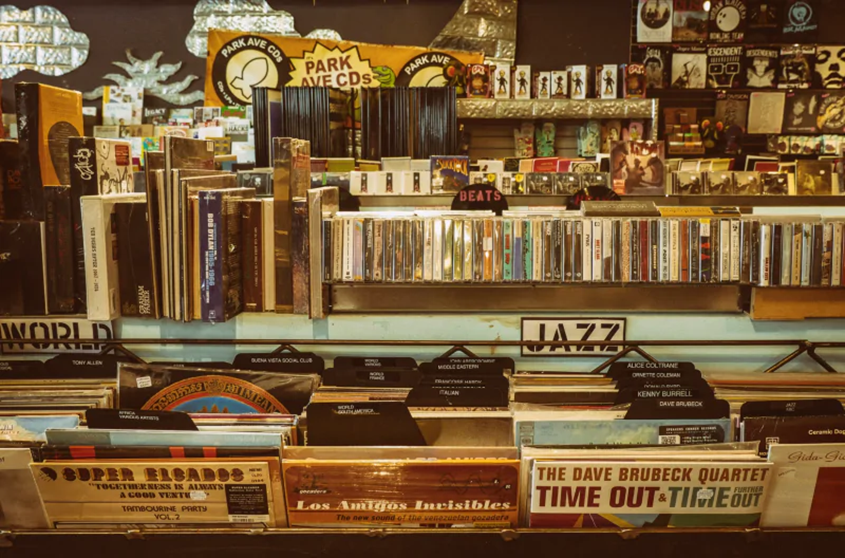
Then, the digital age disrupted this patient relationship. Downloading, initially illegal but later institutionalised by iTunes, ushered in an age of abundance: songs accumulated on computers, piling up in endless libraries. But with the appearance of streaming, a new era was born, one of access. We no longer buy music, we access it. With just a few clicks, listeners now have access to the entire history of music worldwide, but without really owning anything.
The algorithm as a discreet conductor
Streaming initially seemed like a joyful revolution. For the first time, access to music was no longer limited by financial means, borders or even habits: with just a few clicks, you could switch from Ethiopian free jazz to Berlin techno. This almost infinite availability encouraged unexpected discoveries and offered new visibility to scenes that had long been marginalised.
But there is another side to the coin. From the 2010s onwards, platforms began to assert a genuine editorial line: their playlists, which have become essential showcases, function as media outlets in their own right. Being featured on them can launch a career; being absent from them can condemn a track to invisibility. The algorithm, meanwhile, watches over everything like a discreet master.
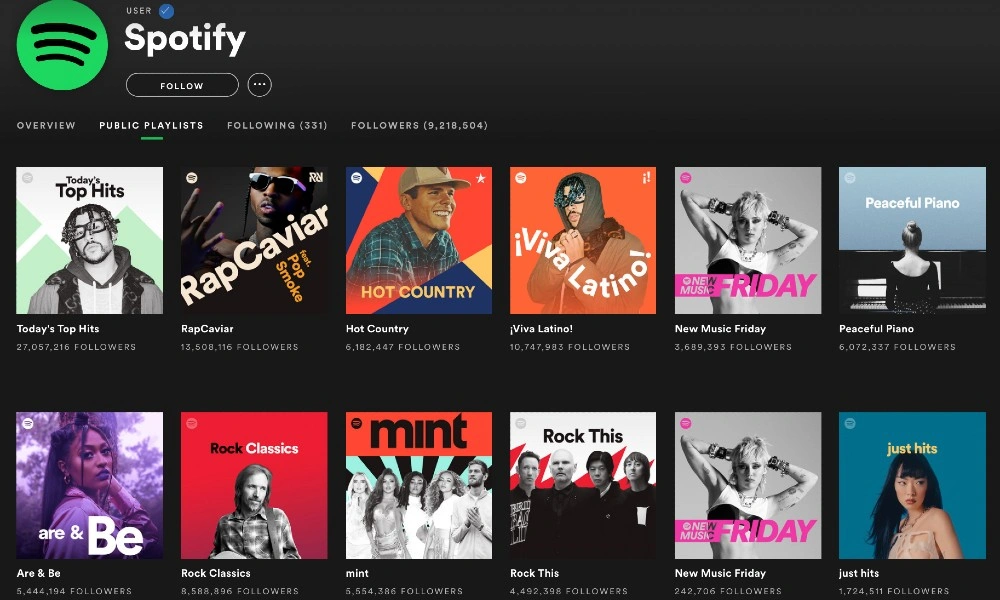
This new economy has led to a certain standardisation. Formats are getting shorter, intros are fading away to get to the catchy chorus faster, and songs are adapting to the implicit rules of easy ‘skipping’. The work is also becoming fragmented: we listen to tracks lost in playlists rather than albums as complete and coherent works. The narrative thread of a project is lost in the logic of random playback, a practice that artists such as Adele are trying to resist by getting Spotify to agree in 2021 that albums will be played in order by default rather than randomly.
More profoundly, streaming has shifted music from ownership to access. We no longer own our records: in reality, we rent a changing catalogue. Which means that if an album is withdrawn for contractual reasons, it disappears. This was the case with Taylor Swift from 2014 to 2017 when she decided to withdraw her entire music catalogue from Spotify. This could also mean that we are dependent on the companies or labels that own the music. This invisible dependency calls into question our ability to truly control, or even retain, what we believe we can listen to freely.
Listening again, together
Perhaps it’s not all bad news. While streaming has disrupted our habits, it has also opened up new ways of listening that are more varied, more inclusive and more democratic. Never before has music circulated so quickly or crossed so many cultural boundaries. The algorithm, as questionable as it may be, sometimes allows independent artists to find an audience they would never have reached otherwise. Listening has not disappeared: it has simply shifted, fragmented, reinvented itself. But this freedom comes at a price: that of attention. Saturated with sound, our era requires us to relearn how to listen and to do just that, actively.
Mino, an initiative to listen to music actively again:
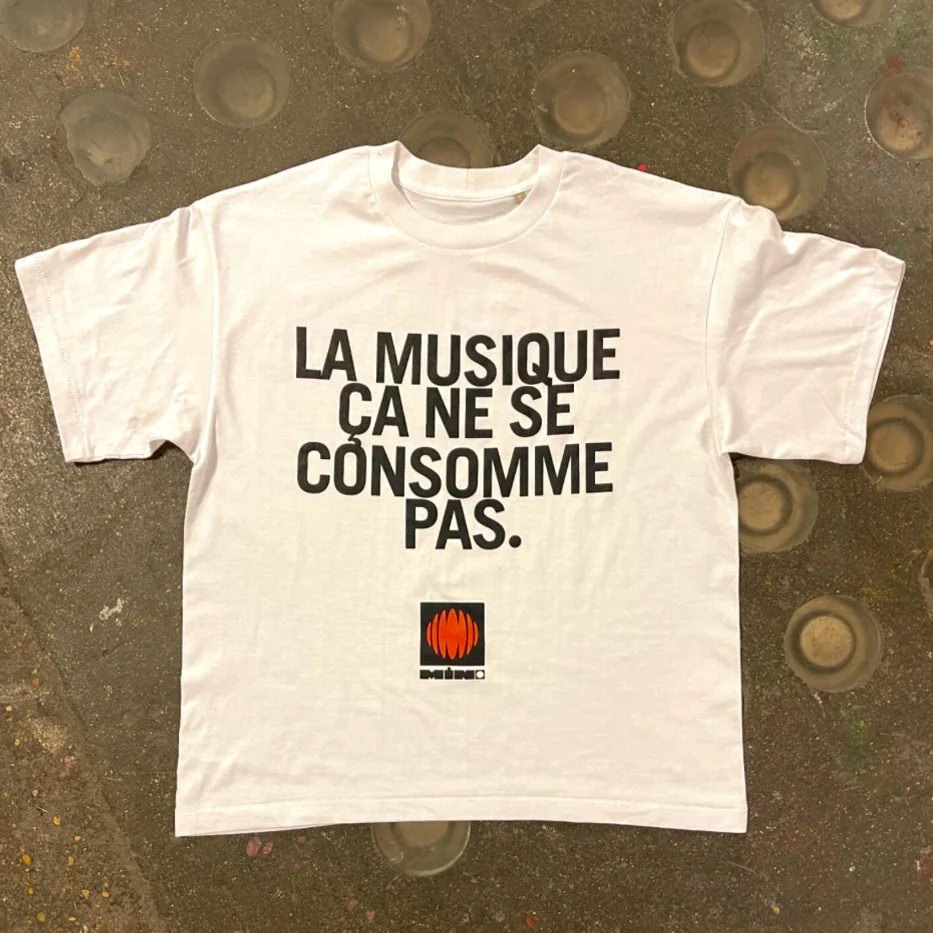
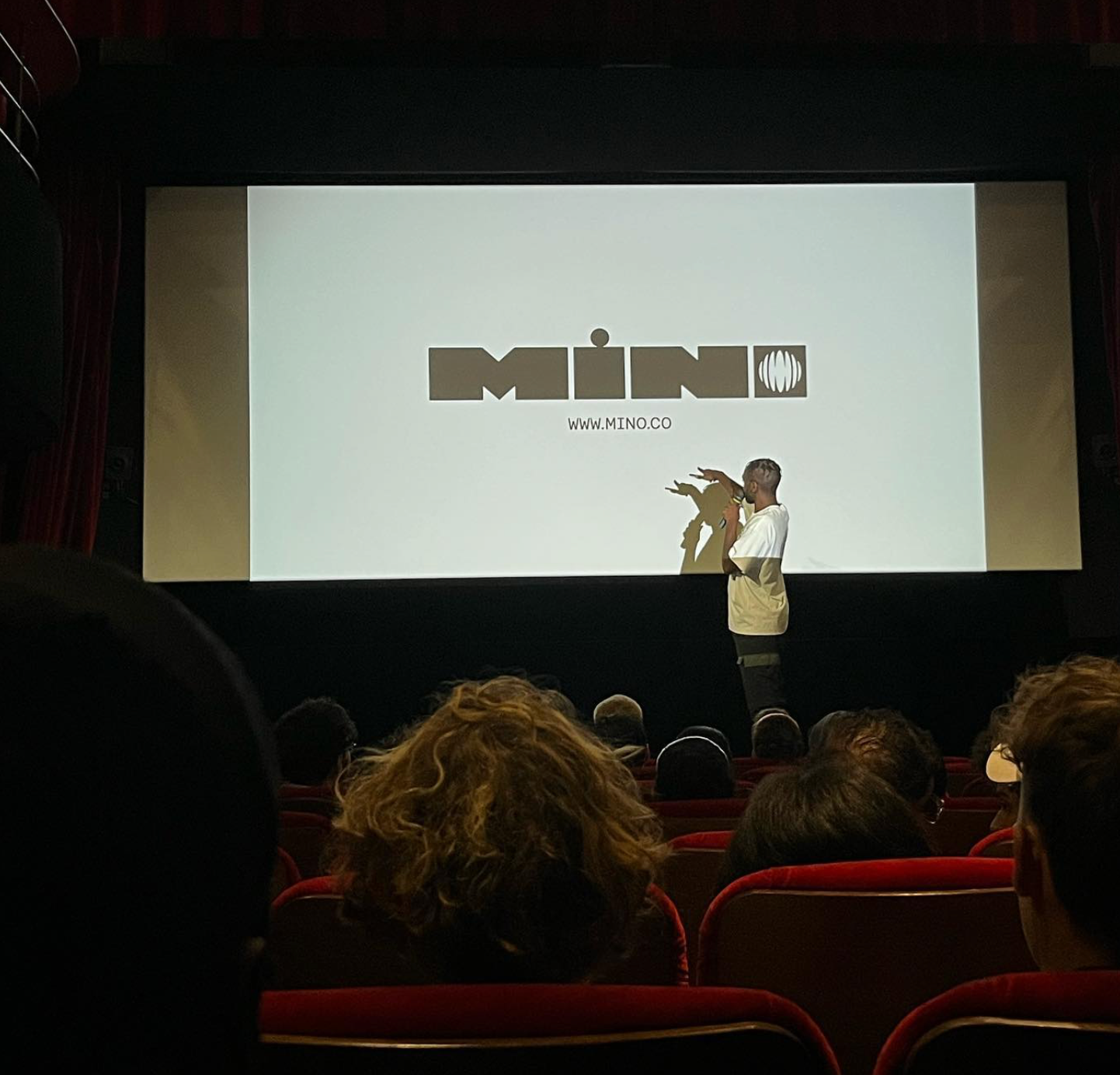
The return of vinyl, particularly among young people, intimate concerts and collective listening sessions testify to a need for slowness, for an awareness of listening as an activity in its own right. It is this need that inspired Terrence NGuea’s project, called Mino. The slogan immediately sets the tone: ‘Music is not something to be consumed’. The aim of this project is to restore music to its rightful place by allowing new albums to be listened to in a cinema with all the comfort that this offers. As the project’s Instagram page explains, ‘Mino is a new venue and will be to music what cinemas are to films, what galleries and museums are to the visual arts: a space where emotion reigns supreme, an immersive experience that is both individual and collective.’ For the moment, this initiative is still in its beginning, but several listening sessions have already been organised, meeting some success. To keep an eye on…
Written by Domitille Proust de la Gironière
Sources :
https://www.instagram.com/__mino/?hl=fr