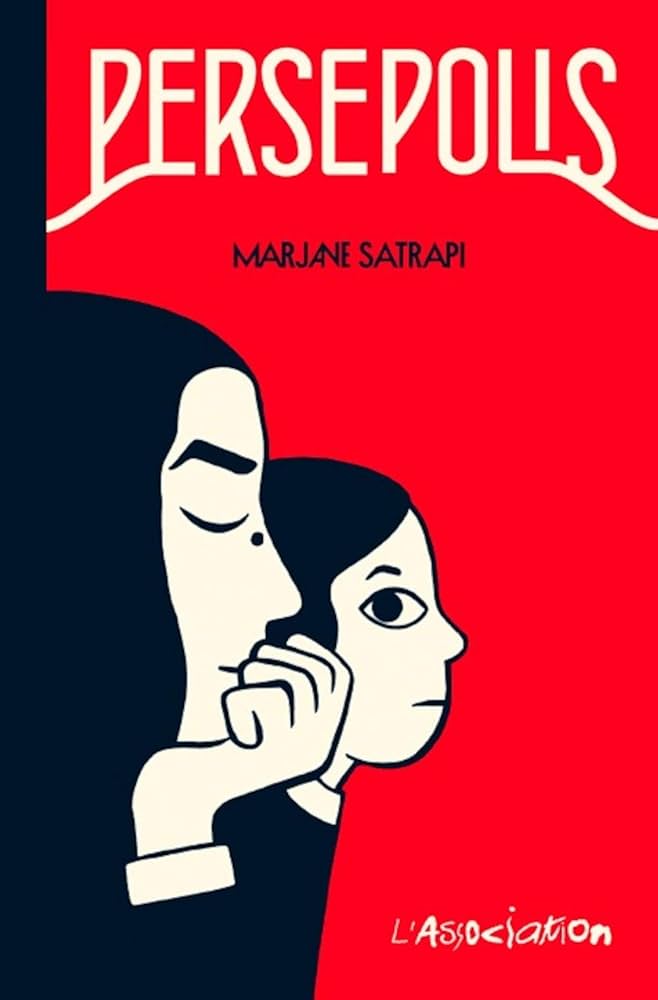
When Art Spiegelman’s Maus received the Pulitzer Prize in 1992, the work was presented as a ‘graphic novel’. The term is once again imposed in traditional media when Persepolis by Marjane Satrapi meets with major critical and institutional success. These works are rarely described as comic strips (“Bandes Dessinées” in French, often abbreviated as BD), even though they fully share their language and narrative codes.
This choice of vocabulary is not anecdotal. Through him, part of the comic strip seems to change its status: it leaves the field of popular entertainment to enter that of recognized literature, exhibited, awarded, taught. The ‘graphic novel’ then appears as a new way of naming certain comics, giving them a more important place and legitimacy.
This recognition is accompanied by a rapid editorial development of the graphic novel, which in a few years has become an integral segment of the comic book market in France. Understanding this rise in power involves observing how the market has been moving out of the Franco-Belgian format, and what this evolution reveals about the broader transformations of the ninth art.
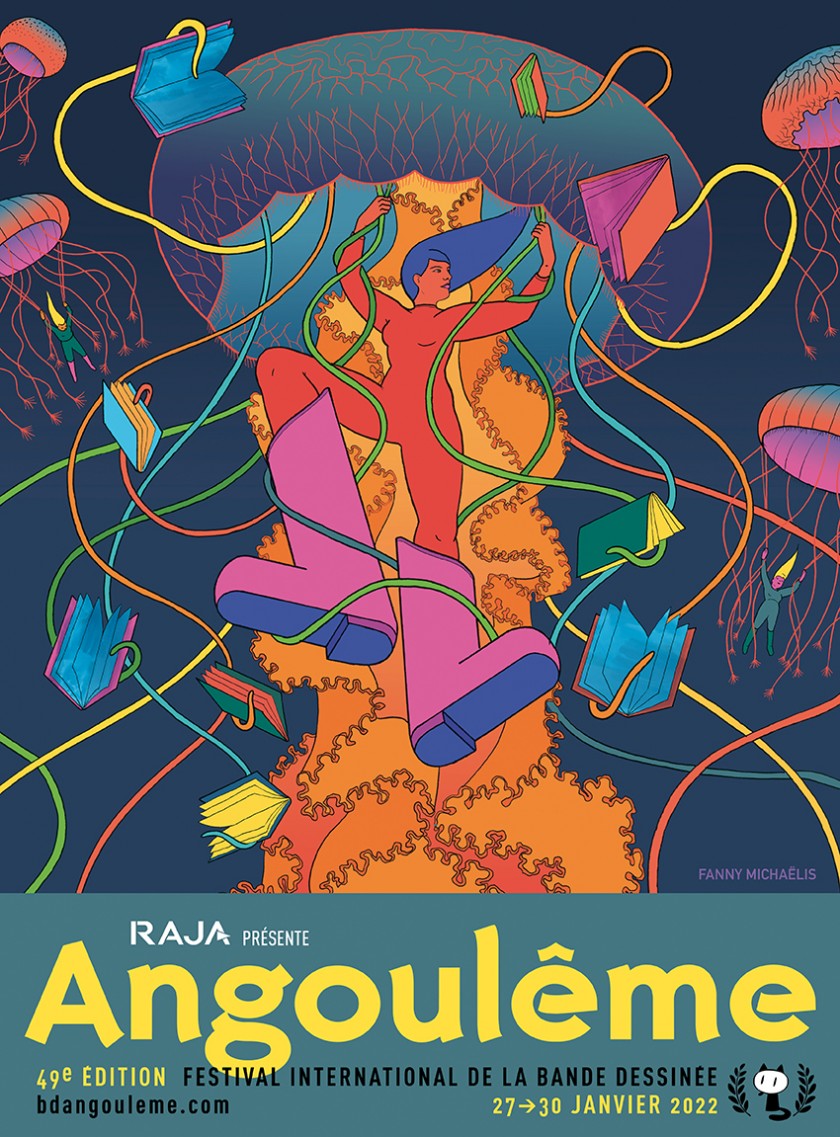
The traditional format of Franco-Belgian comics: a hard cover, a number of pages not going beyond 50 and a price around 10-15 euros, still occupies an important place in the French edition. Each year, between 5,000 and 6,000 new products are published, making France one of the most productive countries in the world in this field. This editorial abundance is accompanied by a strong cultural presence, illustrated in particular by events such as the Angoulême International Comic Strip Festival, which continues to attract several hundred thousand visitors and benefit from extensive media coverage.
However, this strong production does not necessarily translate into an equivalent consumption dynamic. For a few years, sales figures have shown a gradual slowdown in Franco-Belgian comics. If the installed series are doing well, like Lucky Luke or Asterix, albums outside these series struggle to sell. The classic format, a hardcover album of about fifty pages, cannot maintain its level of distribution.
The multiplication of new releases has visible effects in bookstores. Albums have less shelf exposure time, sometimes only a few weeks, before being replaced by new releases. Many titles thus struggle to meet their audience, not for lack of quality, but due to a lack of sufficient visibility. The market seems saturated, and traditional comic book consumption is no longer growing at the same pace as production.
In this context of slowdown, one segment is an exception: that of the graphic novel. While overall sales of classic comics are stagnating, this format is experiencing better resistance, or even relative growth, driven by another editorial logic and a distinct readership.
To understand the success of the graphic novel and its impact on the market, it is necessary to go back to the origin of this term and what it actually covers.
The term graphic novel appeared in the United States in the 1960s-1970s, championed by authors like Will Eisner with A Contract with God (1978). The objective was not to create a new genre, but to distinguish from popular comics certain longer, autonomous narratives intended for an adult audience. This lexical shift makes it possible to present these works as books in their own right, and not as simple fascicules intended for children.
In France, the term began to spread from the 1990s, with works such as Maus by Art Spiegelman, Persepolis by Marjane Satrapi or L’Arabe du futur by Riad Sattouf. Economically, the graphic novel is based on a different model from that of traditional comics. The prints are generally more modest, but the books benefit from a higher selling price, often between 20 and 30 euros, and a longer shelf life in bookstores. Unlike many classic comic books, these books are not immediately subject to the logic of permanent novelty and can be part of a more spread-out time.
Although they fully use the language of comics, they are systematically referred to as graphic novels in the press, bookstores and cultural institutions. This distinction is based less on form than on reception and cultural valorisation: the graphic novel becomes a label of legitimacy, capable of crossing the boundaries between popular culture and recognized literature.
Beyond the symbolic recognition, this positioning has concrete effects on the market. Graphic novels benefit from better visibility, a longer exhibition in bookstores and a wider audience, often adults and less familiar with traditional comics. Their economic success, illustrated by the hundreds of thousands of copies sold of Persepolis or The Arab of the Future, shows that this symbolic repositioning is also commercially promising.
Thus, the graphic novel functions both as a tool of cultural legitimation and as a new editorial dynamic, offering the comic book market a segment that is both recognized and profitable, distinct from traditional comics. But if the traditional comic strip is being challenged in terms of legitimacy by graphic novels, it also loses ground in terms of its popularity compared to another competitor, more economical and more practical, the manga.
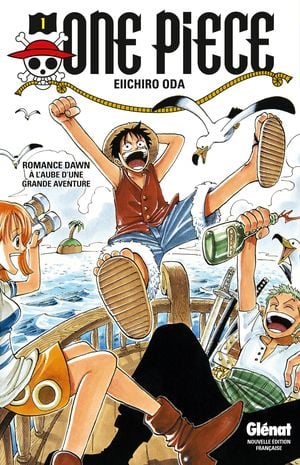
Indeed, in France, manga today represents more than half of the volumes of comics sold, with certain series reaching several million copies. Titles like One Piece, Naruto or Demon Slayer illustrate this domination, attracting a large readership, mainly young, but increasingly adult.
Several factors explain this success. The pocket-sized, lightweight and easily transportable format is ideal for children and teenagers who read in class, on public transport or at home. This portability contrasts with the traditional cardboard album, heavier and bulky, and makes manga particularly suitable for a nomadic and regular consumption.
Seriality is another major asset. Long series retain readers over several years, while successive volumes stimulate recurring purchases. This logic of loyalty, combined with regular publication and media circulation (animated adaptations, social networks, applications), creates a mass effect that greatly exceeds what traditional comics can generate.
Finally, the rise of manga contributes to reconfiguring the audience for comics. Young readers, attracted by this practical and accessible format, today consume much less classic Franco-Belgian comics. While the graphic novel occupies the legitimate and cultural space, manga has established itself in the popular segment, accentuating the movement of the reader away from traditional albums.
This dual dynamic, graphic novel on the legitimate market and manga on the popular market, shows how much the landscape of comics in France has changed: classic, traditional comics, once at the centre of the market, must now find their place between these two poles, facing formats better suited to their respective audiences.
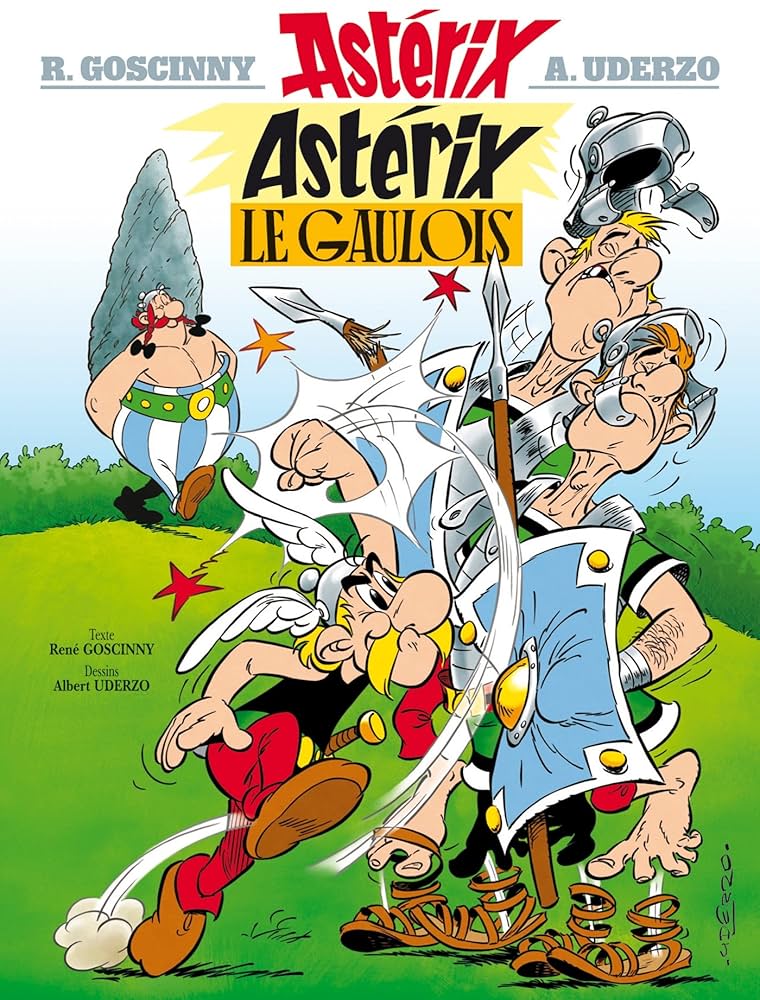
Traditional comics are confronted with new logics of valorisation and dissemination. The ‘classic’ series that continue to meet with widespread success, such as Asterix, Tintin, Lucky Luke or Blake and Mortimer, are no longer just works of authorship: they have become real cultural franchises.
These franchises largely exceed the framework of the comic strip. They give rise to film adaptations, animated series, merchandise, exhibitions and even theme parks. The ownership of these universes often passes from the hands of authors to those of publishers or large groups, such as Média-Participations or Hachette, which today manage the marketing, communication and circulation of licenses.
This transformation has a direct impact on the authors themselves. Where the creator could once exercise control over his work, today he often becomes a performer or contributor in an already industrialized universe, sometimes replaced by other artists or screenwriters. The commercial success is intact, but the artistic and individual dimension is largely framed by the logic of openness and economic imperatives.
At the same time, this concentration of success and visibility contributes to accentuating the gentrification of comics. Prestigious and heritage works are valued and distributed in media and institutional channels, while traditional comics, excluding franchises or established successes, struggle to occupy the same space, both commercially and symbolically. The market is thus polarized between ultra-industrialized formats, culturally legitimate segments like the graphic novel, and a set of more fragile traditional productions, often relegated to a niche or to a loyal but restricted audience.
Between the massive franchises that structure traditional comics and the economic and cultural successes of the graphic novel and manga, the landscape of French comic strips today appears highly segmented, and classic albums seem to have an increasingly fragile place there.
The graphic novel established itself as a segment that is both economically viable and culturally legitimate, capable of reaching an adult readership and crossing the boundaries between popular culture and literature. On the other hand, manga dominates the popular market, thanks to its practical format, addictive seriality and its ability to massively attract a young audience.
Between these two poles, the traditional Franco-Belgian comic strip is now in an intermediate position. Heritage series, transformed into industrial franchises, are experiencing significant commercial success, but at the cost of a gradual dispossession of authors and standardization of universes. Albums without franchises and without a label of cultural legitimacy must, for their part, contend with a saturated market and distribution channels favouring spectacular or already valued novelties.
This double polarization, graphic novel for legitimacy, manga for volume and popular consumption, raises a central question for the future of the medium: can traditional comic strips still exist as both a popular and creative form, or will it be forced to reposition itself on one of these two segments? More broadly, it invites reflection on how editorial and symbolic categories influence not only commercial success but also the perception and cultural value of an art.
In sum, the current French comic is no longer a homogeneous block: it has become a segmented market, where each format, graphic novel, manga or classic album, must find its place in a fragile balance between innovation, recognition and popularity.
Written by Justin WISLER-LAMBS
