As autumn fully embraces Nantes, you might be searching for a cultural event that matches the cozy atmosphere of the season. Look no further! During the first week of November, the Univerciné German Film Festival invites you to the Katorza cinema to explore the rich and often overlooked German-speaking film scene. Throughout the week, enjoy a curated selection of subtitled films, attend screenings and Q&A sessions with directors and actors, and take part in cinematic discussions, and encounters celebrating contemporary European cinema.
Univerciné – who are they?
Univerciné is an association that organizes four distinct film festivals throughout the academic year, each dedicated to a specific region of Europe. Its core mission is to introduce lesser-known European cinema to French audiences. By showcasing films in their original versions with French subtitles, Univerciné promotes immersion, diversity, and cultural exchange, celebrating the richness and openness of the European film landscape.
Originally, these four festivals were independent events, created at the end of the 1990s. They decided in 2007 to merge them under the Univerciné banner to offer a shared intercultural program to their public, sharing the same jury and selection criteria making Univerciné a unique model within the French cultural landscape.
The academic year unfolds to the rhythm of four festivals, each celebrating a different facet of European cinema. The season opens with the German Festival, running from November 4th to 9th, followed by the W.I.S.E Festival fromDecember 9th to 14th, showcasing films from the United Kingdom and Ireland. From February 3rd to 8th, the spotlight shifts to the Festival à l’Est, featuring works from the Caucasus, the Baltic States, Central Asia, and Eastern Europe. The Univerciné cycle concludes with the Italian Festival held from March 3rd to 8th, offering audiences a vibrant closing chapter to this cinematic journey across Europe.
The first Univerciné rendezvous is just around the corner! During the first week of November, the German Festival will present films from German-speaking countries, such as Germany, Switzerland and Austria at the iconic movie theater le Katorza, right in the heart of Nantes. A must for film enthusiasts, this event is the perfect opportunity to discover new cinematic voices, engage with European film culture, and share a moment of pure cinema magic.
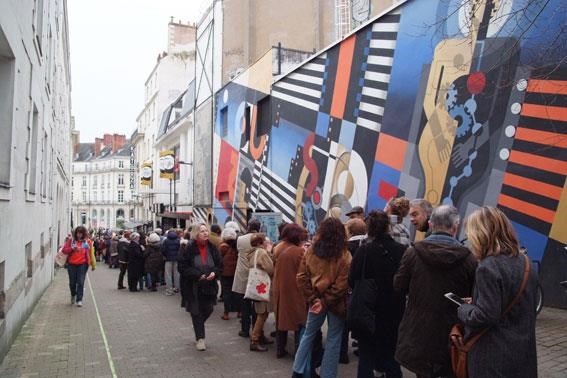
Univerciné German Festival
The German festival was first created in 1998 by the Centre Culturel Franco-Allemand (CCFA) of Nantes. Its distinctive approach lies in its focus on contemporary trends in German-speaking cinema, carefully curating films that reflect the vitality and creativity of today’s filmmakers. The selection committee draws inspiration from major German festivals such as the Berlinale, the Max Ophüls Preis Film Festival in Saarbrücken, and Filmfest München in Munich.
The festival aims to present exclusive screenings, featuring films never before shown in France, often in collaboration with distributors to offer special previews. To ensure a diverse and meaningful program, the lineup also includes a socially and politically engaged documentary, shedding light on current issues in German-speaking countries, as well as a classic film from the region’s cinematic heritage — a way to trace the roots and evolution of its film culture.
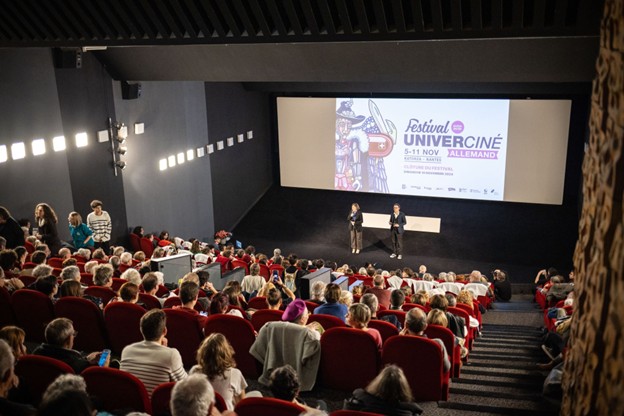
Mission and values of the festivals
What makes this association unique is its academic origin: it was founded through the initiative of university scholars, and has kept a strong connection with the student community ever since. One of its core values is to involve students at every stage of the festival process — from film selection and competition programming to communication, interviews, and fundraising. Each festival works closely with students from Nantes University and other local schools, offering them an active role and valuable hands-on experience.
The jury, which remains the same throughout the year, is composed of students specializing in film criticism, allowing them to gain professional insight into the cultural and cinematic sectors. To encourage participation, Univerciné offers the “Tarif Super Offert,” providing free admission for students. The association also pays special attention to younger audiences, organizing school screenings for children and teenagers, from primary to high school level.
This year, Univerciné is furthering its commitment to accessibility, diversity, and inclusion — a mission made even more urgent by recent political developments in Germany. In 2024, anti-LGBTQIA+ hate crimes rose sharply, while decisions by political leaders, such as limiting the display of the rainbow flag in public spaces and restricting the use of inclusive language, have sparked debates about equality and representation. Against this backdrop, the festival emphasizes the importance of creating safe, open, and inclusive cultural spaces.
The team collaborates with local organizations such as Handisup, T’Cap, and Les Eaux Vives to ensure that events are accessible to all audiences, particularly people with disabilities or those facing social challenges. In this spirit, the special “all-inklusiv” screening designed to be fully accessible will welcome guests with reduced mobility and deaf or hard-of-hearing attendees, with on-stage talks interpreted in French Sign Language.
Univerciné also strives to ensure diverse representation on screen, highlighting minority voices through a dedicated queer selection, with two of these films competing for the Univerciné Award, reflecting both artistic excellence and the festival’s commitment to inclusion.
The 2025 program of Univerciné Allemand
For this year’s edition, Univerciné presents a diverse and compelling selection of films, offering audiences a journey through the latest trends and voices in German-speaking cinema.
Let’s start with the four films in competition for the Univerciné Award:
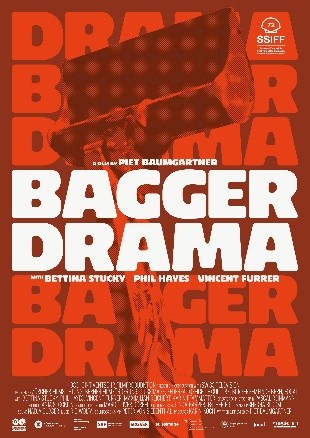
Bagger Drama, a powerful drama directed by Piet Baumgartner from Switzerland, follows Paul, whose family business of excavator sales is shattered after the tragic death of his daughter. As his family struggles to rebuild, the film explores themes of grief, resilience, and reconciliation. It won the Best Director Award at the San Sebastián International Film Festival and the Best Staging Award at the Max Ophüls Preis Film Festival (2024), and was nominated for Best Film at the Solothurn Film Festival (2025).
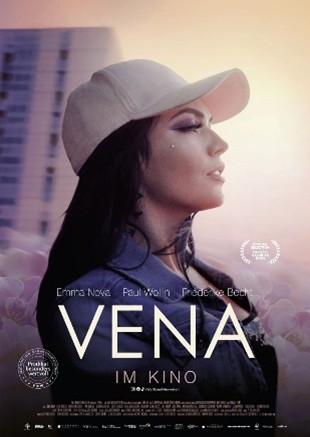
Vena, directed by Chiara Fleischhacker (Germany), tells the moving story of Jenny, a young woman battling drug addiction who has lost custody of her child. Pregnant and reluctant to seek help, she meets a compassionate midwife, and an unexpected bond forms between the two women — offering Jenny a glimmer of hope. The film tackles sensitive issues such as addiction, motherhood, and recovery, elevated by extraordinary performances. Vena received nominations for Best Picture, Best Cinematography, and Best Actress at the German Film Awards (2025), and won Best German Film at the Hamburg Film Festival.
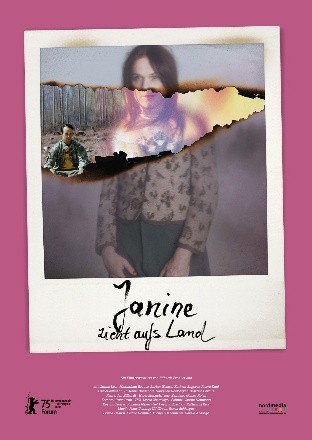
Janine zieht aufs Land (Janine Moves to the Countryside), written, directed, and performed by Jan.ine Eilhardt, is part of the Queer Selection. The film follows Janine, who returns with their partner Pierre to the rural village where they grew up, confronting prejudice and hostility. There, they meet Peter, a neighbor hiding behind toxic masculinity, and a complex relationship unfolds. Deeply personal and semi-autobiographical, the film offers an intimate look at the challenges still faced by queer individuals in conservative environments. Nominated for Best Picture at the Teddy Awards at the Berlinale 2025, the director will attend the screenings to meet the audience and discuss the film.
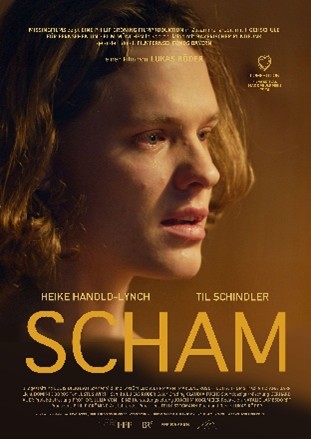
Scham, directed by Lukas Röder (Germany), explores the fractured bond between a mother and her son. After four years away, Aaron returns home to confront his mother about the trauma and abuse that marked his childhood. Addressing the difficult themes of domestic violence and silence within families, this raw and emotional film seeks to spark dialogue around painful but essential topics. Scham received the Ecumenical Jury Prize at the Max Ophüls Preis Film Festival (2025), and the director will also be a guest at the festival to meet the audience.
These four movies will compete for the Univerciné Award, and the winner will later vie for the Grand Prix Univerciné against the winning film of each festival, honoring the best film across all four festivals at the end of the season.
But the competition is only part of the experience — the festival lineup offers much more! Throughout the week, audiences can discover a wide range of additional screenings and three special previews. Highlights include In die Sonne schauen (Sound of Falling) by Mascha Schilinski, winner of the Jury Award at the Cannes Film Festival, andAmrum by Fatih Akin, part of the Cannes Première official selection. The program also features a retrospective of classic films, a collection of short films, and a special section for young audiences, with daytime screenings designed for students and teachers, offering them an exclusive introduction to the world of European cinema.
Activities around the festival
Between screenings, the festival offers a variety of activities and events designed to engage audiences of all ages. Among them is a children’s animation workshop (5/11), where young participants can explore the art of filmmaking using a Mash Up Table — mixing images and sounds to create their very own short films.
The program also includes a special evening dedicated to student cinema (5/11) featuring short films created by students from the Hamburg Media School and the University of Television and Film Munich (HFF München). The screenings will be followed by a Q&A session with the directors, offering valuable insight into the next generation of German filmmakers.
As part of the Nantado initiative supported by the city of Nantes, Univerciné will host a special screening of Sieger sein (Winners) for middle school students (6ème and 5ème), with the guest appearance of a professional women’s football player from Nantes — a perfect opportunity to combine sport, culture, and cinema.
On the second-to-last evening, the festival spirit continues with a lively DJ set and closing party at the iconic Café Landru, one of Nantes’ most popular venues. Finally, on the last morning, audiences are invited to enjoy a traditional German breakfast, offering a delicious and convivial way to immerse themselves in German culture one last time.
Through these events, Univerciné continues to bring German-speaking culture to life in Nantes, fostering dialogue between professionals, students, and the public, and creating moments of genuine cultural exchange beyond the screen.
Next festivals
If you enjoy this year’s edition of the German Festival, be sure not to miss the upcoming Univerciné festivals later in the school year! From the W.I.S.E. Festival in December to the East Festival in February and the Italian Festival in March, there’s always something captivating to enjoy!
Each festival is an opportunity not only to discover new European cinemas, but also to broaden your own cinematic horizons, meet passionate film lovers, participate in Q&A sessions with directors, and engage in cultural discussions. Whether you are a student, a cinephile, or simply curious about the world of European cinema, Univerciné offers an unforgettable experience — a chance to explore different cultures, share your enthusiasm, and enjoy the magic of the big screen.
Author: Satine Guitteny
