Welcome to La Folle Journée
For more than two decades, Nantes has established itself as one of the most dynamic cultural cities in France. Here, culture is not confined to a few key dates or venues reserved for insiders: it flows through the urban space throughout the year and reaches all audiences. Nantes’s cultural calendar is punctuated by events that have become unmissable. Each summer, Le Voyage à Nantes turns the city into an open-air museum, blending contemporary art, heritage, and urban strolls. Les Rendez-vous de l’Erdre bring the summer season to a close in a friendly atmosphere driven by jazz and nautical music. The Festival des 3 Continents, meanwhile, opens a window onto cinema from Africa, Asia, and Latin America. And when winter sets in, one event manages to warm both hearts and ears: La Folle Journée de Nantes.
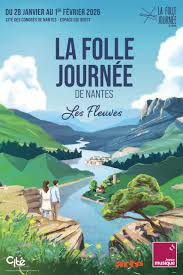
Created more than thirty years ago, La Folle Journée set itself an ambitious mission from the outset: to make classical music accessible to as many people as possible. Long perceived as an elitist art form, reserved for informed audiences and prestigious venues, classical music sometimes seemed far removed from everyday life. It is precisely this image that the festival set out to challenge. This year, the music festival took place from Wednesday, January 28 to Sunday, February 1.
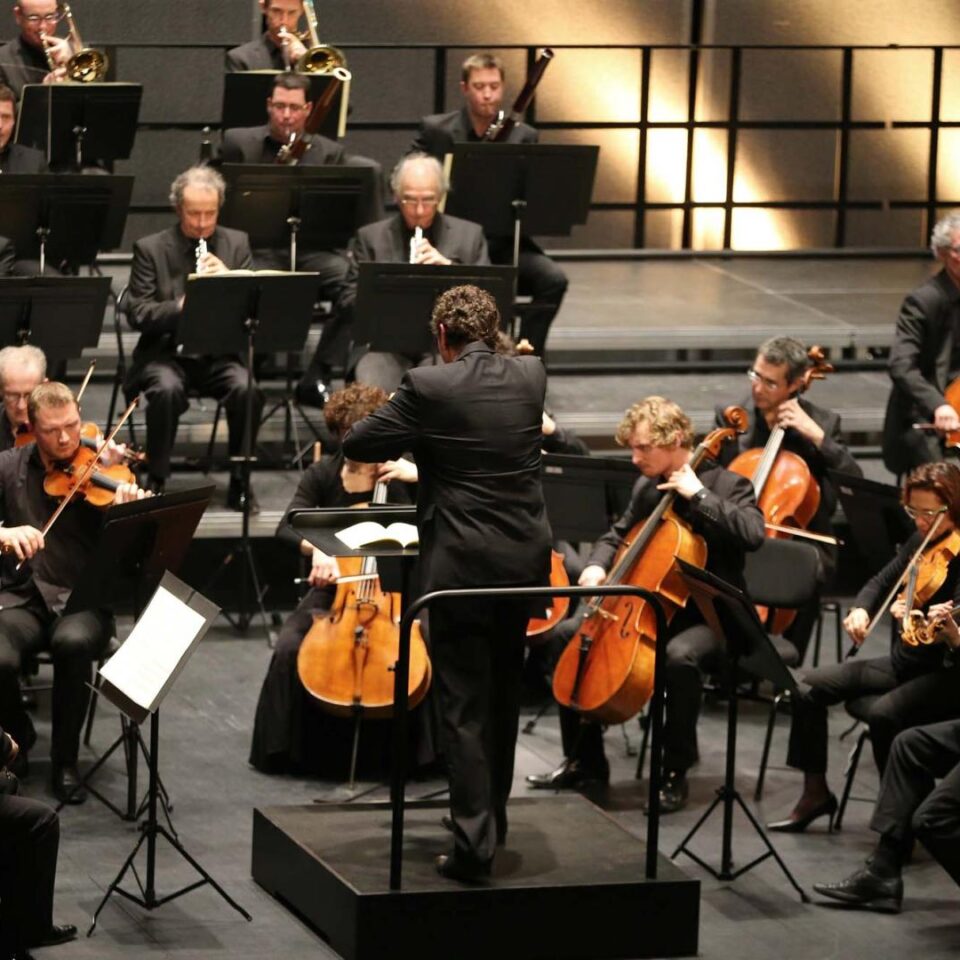
At the origin of this project is René Martin, former artistic director of the festival until 2025. His conviction is simple: classical music must be demystified without betraying its artistic standards. To achieve this, La Folle Journée breaks with traditional concert codes. Concerts are short, around forty-five minutes to encourage discovery. Ticket prices are deliberately affordable, capped at 25 euros, allowing a wide audience to step through the doors. Finally, concerts are offered in a variety of styles and formats, from intimate recitals to large orchestral performances.
The expansion of the festival
Over the years, La Folle Journée has established itself as a major event on Nantes’s cultural scene. Today, the festival spans five intense days, brings together more than 200 concerts, and attracts tens of thousands of spectators. Around 140,000 tickets are sold each year, a figure that testifies to the public’s enthusiasm and the loyalty of festivalgoers. But the influence of La Folle Journée extends far beyond the walls of the Cité des Congrès. Music spills into the city: its streets, squares, and even its public transport. This outreach beyond traditional venues is an integral part of the festival’s identity and contributes to its unique atmosphere.
For several years now, La Folle Journée has developed partnerships with the city of Nantes and its stakeholders, notably Semitan. For the sixth consecutive year, “musical moments” have been offered to travelers. On Wednesday, users of tram line 1 were surprised to witness a performance by pianist and improviser Benjamin Kahn, seated behind an upright piano in the very heart of a tram carriage. At the same time, the Azalaïs clarinet quartet, made up of students from the Nantes Conservatory, performed aboard the Navibus on line N1, linking the Maritime Station to Trentemoult-Sablières.
These suspended moments transform an everyday journey into an artistic experience. They perfectly illustrate the festival’s philosophy: to meet residents where they are, to surprise them, and to remind them that music can appear where it is least expected. One of La Folle Journée’s great strengths lies in its deep integration into the urban space. By occupying public transport, public places, and various neighborhoods, the festival makes music omnipresent and familiar. This closeness strengthens the bond between the cultural event and the daily lives of the people of Nantes. For a few days, the entire city becomes a musical stage, where the boundary between artists and audience fades.
Shifts in the festival
In its early days, La Folle Journée was built around a single composer. The first edition, in 1995, was devoted to Mozart, followed the next year by Beethoven. This approach allowed for total immersion in the world of a major figure of classical music. However, the festival soon evolved. Over the years, the themes broadened, becoming more complex and more cross-cutting. The goal was twofold: to renew the interest of regular attendees and to attract new audiences, sometimes newcomers to classical music. In the 2010s, La Folle Journée moved beyond individual composers to explore more original themes: nature, the rhythms of peoples, travel diaries, or the origins of music. This year’s edition continues this dynamic, with a guiding thread that is both poetic and universal: the rivers of the world.
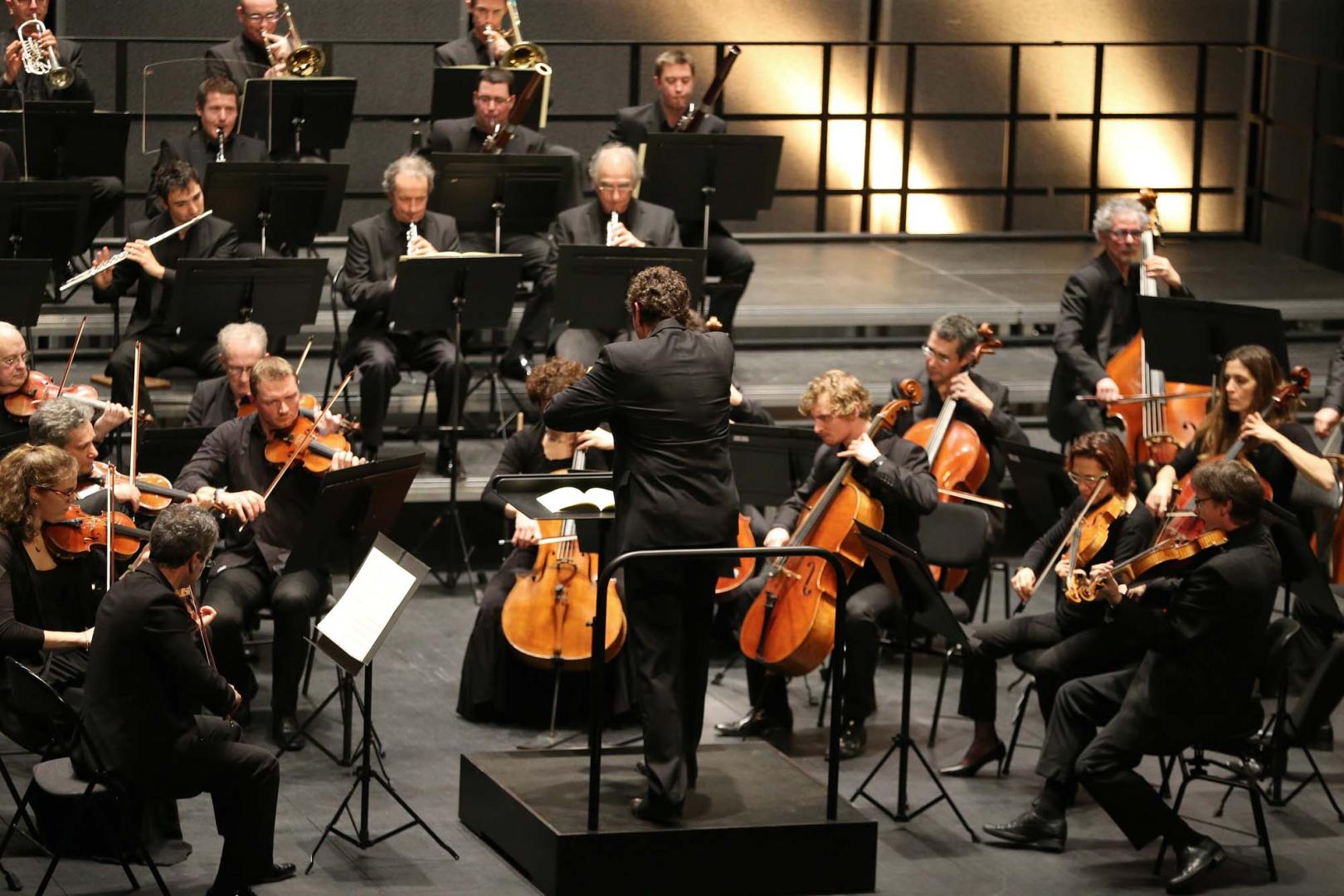
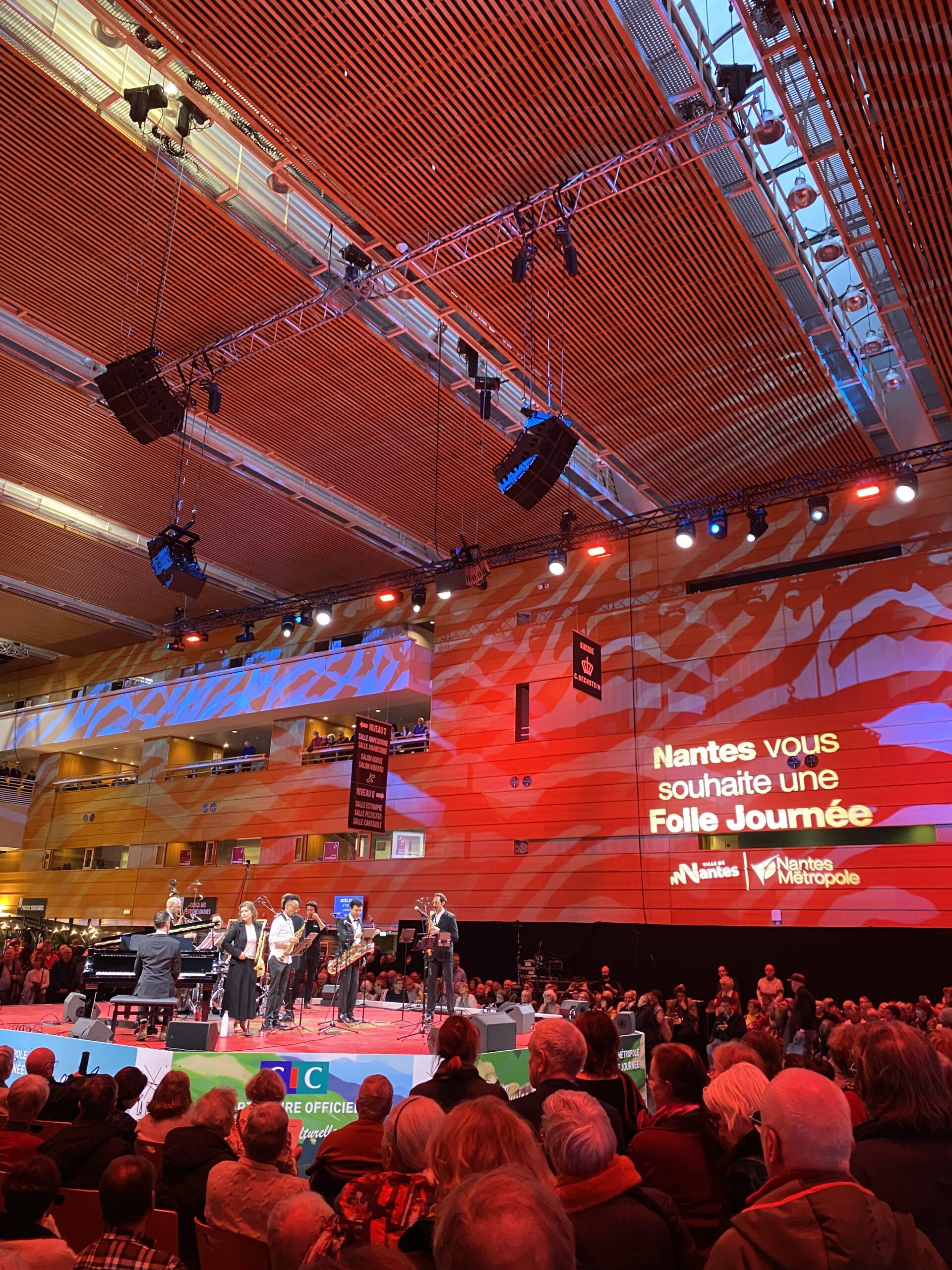
Each year, La Folle Journée takes up residence at the Cité des Congrès in Nantes. This emblematic venue is perfectly suited to the diversity of concerts on offer. It provides several halls of very different capacities, ranging from large auditoriums with nearly 2,000 seats to more intimate spaces reminiscent of chamber music concerts. This flexibility makes it possible to host both large orchestral ensembles and smaller groups under appropriate acoustic conditions.
While La Folle Journée is inseparable from Nantes, its influence extends far beyond the city’s borders. The festival first developed in the Pays de la Loire region, reaching cities such as La Roche-sur-Yon, La Flèche, Laval, and Saint-Nazaire. The concept was later exported internationally. In Europe, La Folle Journée found resonance in Portugal, Spain, and Poland. The model then took root in Asia, particularly in Tokyo and several Japanese cities, where audiences enthusiastically embraced this accessible approach to classical music. The festival also ventured into South America, in Rio de Janeiro, between 2007 and 2010. This international spread testifies to the strength of the concept and its ability to reach very different audiences.
Rivers of the world
For this edition, La Folle Journée invites the public to rediscover music through the prism of rivers. Sources of life, routes of circulation, natural or symbolic borders, rivers occupy a central place in the history of civilizations. They have naturally inspired many composers across all eras and styles.
Present since the festival’s beginnings in 1995, music historian and writer Patrick Barbier once again takes part this year as a lecturer. He reminds us that each river carries its own identity, shaped by the territories it crosses and the peoples who live along its banks. Some rivers become national symbols; others feed myths, stories, and legends, while many musical works are born directly from river landscapes or riverside cities.
Among the most famous examples, it is impossible not to mention The Blue Danube by Johann Strauss II, a true musical anthem associated with the Austrian river. But the Danube is not the only river to have inspired composers. The Seine, majestic and deeply linked to the history of Paris, appears in many French works. The Loire, an emblematic river of the Nantes region, also holds a strong symbolic place in this edition.
Other rivers, real or mythological, are also invoked. The Styx, the river of the Underworld in Greek mythology, reminds us that the riverine imagination goes beyond simple geography to touch on the spiritual and the symbolic.
The program highlights major figures of classical music. Antonín Dvořák and his Slavonic Dances evoke Central and Eastern Europe, while Schubert and Strauss enter into dialogue around the Danube. Vienna, a city intimately linked to its river, is represented by Mozart, Brahms, Offenbach, Wagner, and Debussy, each bringing their own sensibility and era.
The journey does not stop in Europe. The Mississippi, the mythical river of the United States, is celebrated through jazz, recalling the importance of this river in African American musical history. Artists from all over the world, both local and international, take part in this musical exploration, such as pianist Sophia Lu, whose interpretations create a dialogue between cultures and traditions.
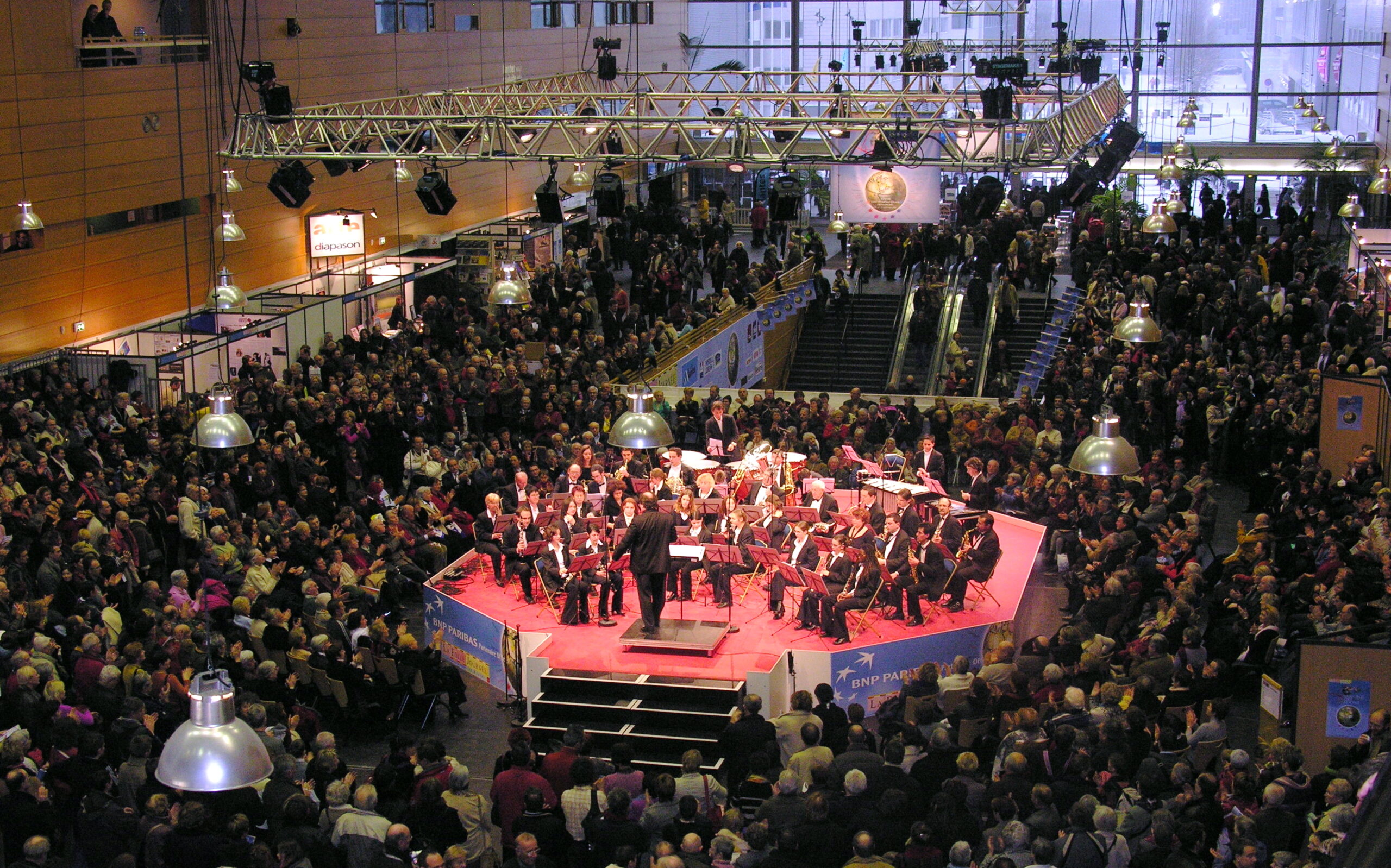
As the concerts unfold, one thing becomes clear: the river acts as a powerful factor of universality. Whatever the civilization, it is both a source of life, a place of passage and exchange, and a space for contemplation. This image speaks to everyone, as each of us has, in one way or another, grown up near a river or been shaped by one.
By choosing this theme, La Folle Journée highlights what unites composers beyond styles, eras, and borders. The river becomes a metaphor: it connects peoples, crosses centuries, and nourishes the collective imagination. Like music, it flows, transforms, and grows richer through contact with what it encounters.
More than just a festival, La Folle Journée de Nantes is a cultural and human experience. It invites curiosity, listening, and sharing. By making classical music accessible, anchoring it in everyday life, and linking it to universal themes, it proves that this art form is neither static nor reserved for a select few.
Each winter, Nantes thus becomes a musical crossroads where rivers from all over the world seem to converge. And for a few days, to the rhythm of concerts and encounters, the city reminds us that music, like water, is a common good, capable of bringing people together and making them resonate far beyond borders.
Written by Hippolyte Streff
