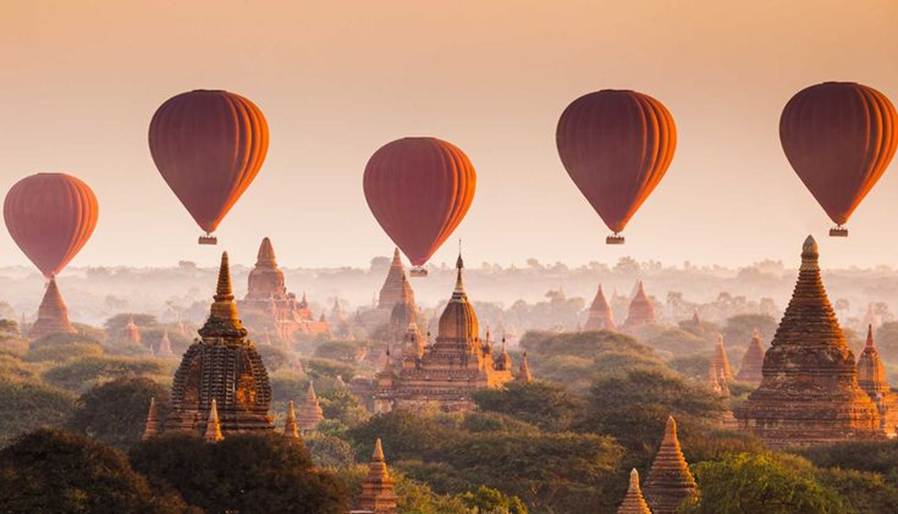
Myanmar
The sound of temple bells, the scent of incense filling temple halls, and the sight of people meditating may be among the first images that come to mind when we think of Buddhist culture. Across Asia, where Buddhism has had a profound cultural influence, these scenes represent more than a mere expression of religious devotion. They are part of cultural identities shaped by generations of art, architecture, and tradition. Yet, behind these graceful symbols lies a question worth exploring: when we preserve cultural heritage, are we also preserving the values that give it meaning?
When Religion Becomes Culture
In many communities, religion extends far beyond the walls of a place of worship. It influences community relationships, artistic expression, and everyday routines. Across parts of Asia, Buddhist temples and pagodas are not only sacred places but also important features of the cultural landscape, connecting contemporary communities across generations.
The temples and pagodas scattered across a vast landscape of Asia, reflecting a history in which Buddhist beliefs helped shape artistic expression and collective life. For visitors, these monuments may inspire wonder at the beauty of the yesteryear. For local communities, they may hold spiritual, historical, and cultural significance. Yet their importance raises a deeper question: if buildings can survive for centuries, how do we ensure that the meanings behind them continue to matter?
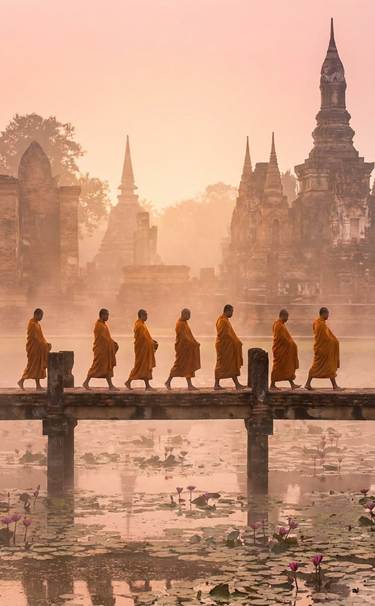
Thailand
Beyond Physical Preservation
Cultural heritage is often associated with protecting historic buildings and conserving artworks. Whilst those efforts remain essential, heritage emcompasses more than what can be seen and touched. It also includes the beliefs, traditions, and values that have been passed from one generation to another.
Buddhist practices such as giving alms to monks, traditional festivals rooted in religion, and deep filial piety toward elders illustrate how cultural values integrate into everyday life. These practices may embody generosity, humility, and devotion. Through repeated rituals, values takes visible form and are shared within a community.
However, participating in a cultural tradition and embodying its values are not necessarily the same thing. Visiting a pagoda may express a desire for serenity, but what about our thoughts and behaviour beyond its doors? Offering generosity in a religious setting is meaningful, but do we extend that kindness to others in our daily lives?
These questions do not diminish the importance of rituals or traditions. Rather, they remind us that cultural heritage is continually interpreted through human actions. Preserving a temple can protect an important part of history, but the ethical values associated with it depend on how people interpret them. Stone and brick can preserve a monument for centuries, but compassion must be renewed through everyday choices.
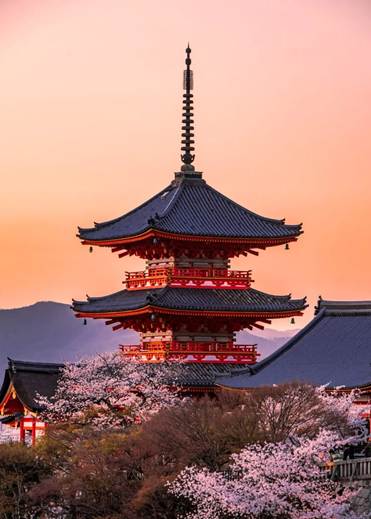
Japan
The Challenge of Keeping Heritage Alive
Preseving heritage means understanding its significance, respecting the related communities, and considering how its meanings can be shared to future generations, alongside protecting historic objects from physical deterioration.
This raises an important question: should cultural heritage remain a symbol of the past, or should it continue to influence how we live in the present?
Cultural heritage is not static. Traditions can be maintained while their meanings evolve in response to changing social realities. Religious buildings can be conserved, traditional crafts can be taught, and rituals can continue to be practised. At the same time, communities can reflect on the values these traditions express and the relevancy of them in contemporary life.
This is particularly important because cultural heritage does not always tell a simple story of harmony. Religious and cultural identities can bring communities together, but they can also become entangled with social divisions, and political conflict. Although Buddhism is often associated with peace and serenity, Myanmar’s history reminds us that a rich religious heritage does not automatically guarantee a peaceful society. Even in a country known for thousands of ancient pagodas and the UNESCO World Heritage Site of Bagan, religious and cultural identity can exist alongside complex political and social realities. Recognising this complexity does not diminish the significance of Buddhist art or tradition. Instead, it encourages a more honest understanding of how culture is inherited, interpreted, and lived.
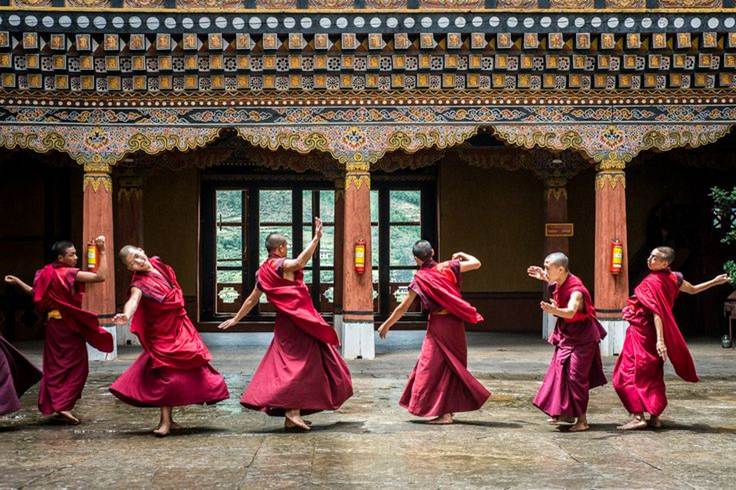
Bhutan
What Do We Choose to Preserve?
The preservation of cultural heritage lives not only in the longevity of monuments, but in how faithfully we embody its values in our daily lives. The sacred sites of Asia preserve traces of artistic achievement and spiritual devotion. Their continued significance depends not only on their physical condition but also on the stories narrated about them and the ways communities continue to engage with them.
Ultimately, preserving cultural heritage means caring for both its physical forms and its continuing significance. We can restore ancient walls, protect murals, and safeguard traditional practices, but we must also remain curious about the meanings they carry. What values do these traditions express? Whose stories do they preserve? And how can they remain meaningful to future generations?
The most valuable heritage may not simply be what we inherit, but what we choose to understand, share, and carry forward. Perhaps the deeper purpose of cultural preservation is not simply to recreate the past, but to maintain a meaningful relationship between the past and the present.
Written by Ei Pyae Phyo Kyaw
