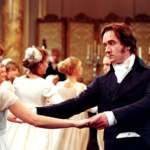
When cinema takes on such a mystical and complex work
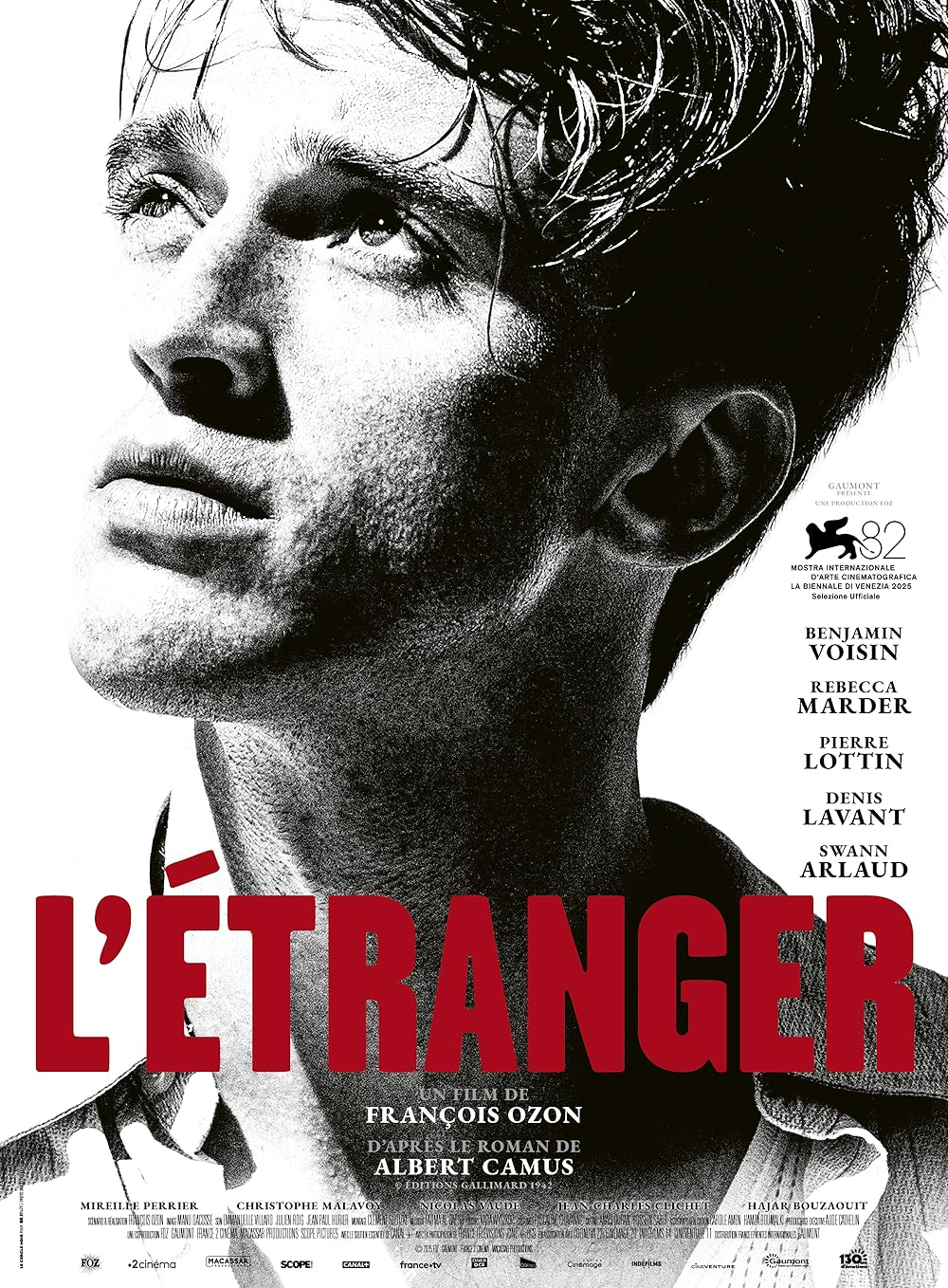
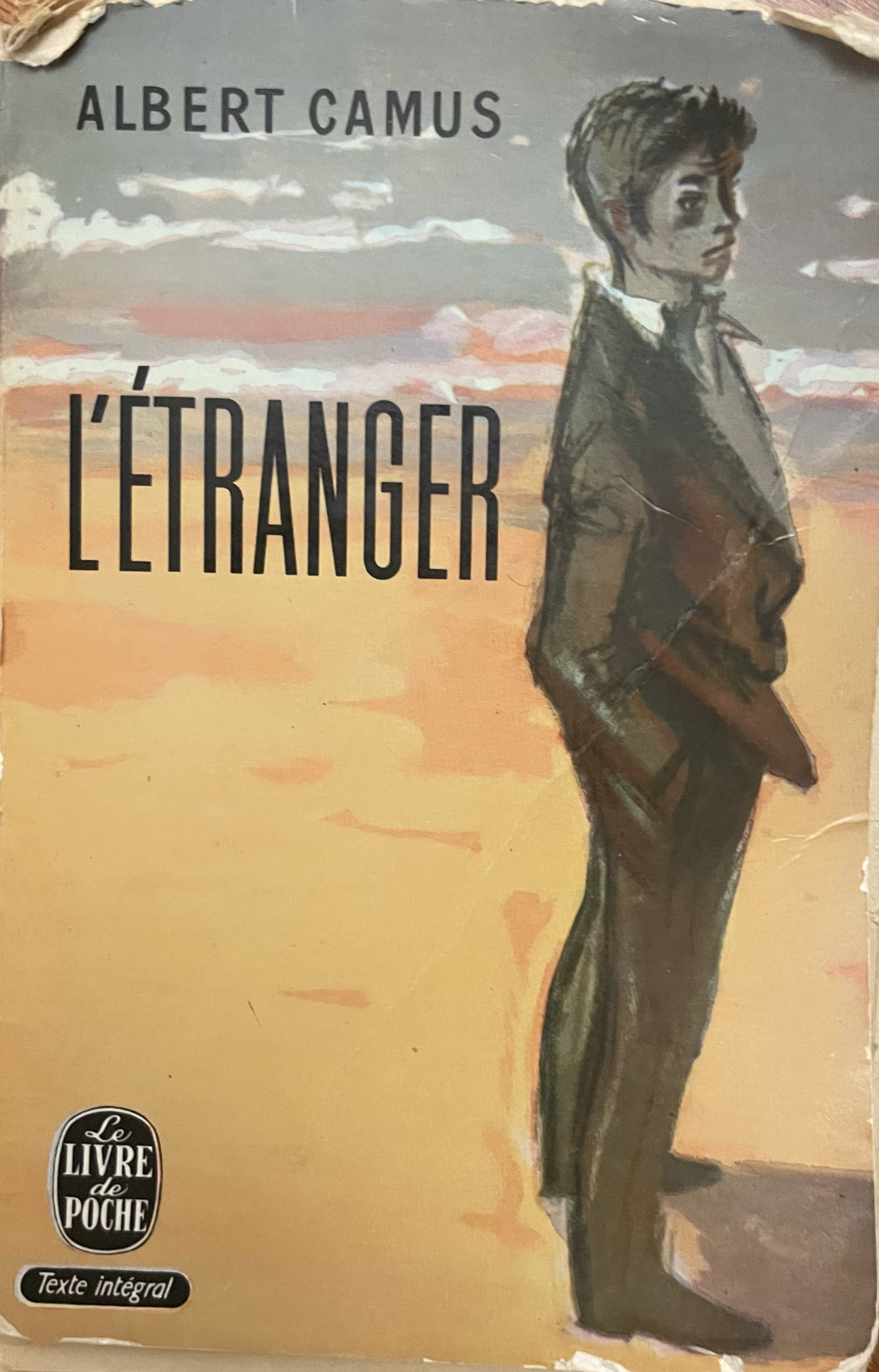
I returned to the novel The Stranger a few weeks before going to see the adaptation. As I closed the book, I was struck by the raw simplicity and silent depth of Camus’ writing: the absurdity, the absence of certainties, the feeling of being on the sidelines of the world rather than at its centre. Going to the cinema was almost an act of faith: a gamble to see if the mystery of Meursault, the strange beauty of the text, could survive the transformation into images.
The film did not disappoint, but at the same time opinions differed. Certain shots and scenes brought the novel to mind, but the overall impression was not that of a faithful adaptation. It was that of a new perspective, a contemporary resonance. As the lead actor, Benjamin Voisin, says: ‘I’m very happy that the film doesn’t pretend to answer the questions raised in The Stranger, because that’s impossible, but rather offers another prism, another perspective on this man.’ It is with the promise of a different perspective, of a different Meursault, that the cinematic experience begins.
Understanding the book to understand the film: existentialism and absurdity in Camus
First and foremost, we must understand what Camus was trying to achieve. In The Stranger, the absurd is not a setting, it is a climate, an atmosphere. Meursault, narrator and protagonist, lives in a world devoid of traditional moral meaning: the death of his mother, the indifference he shows; the murder on the beach; the trial, focused less on the act itself than on his behaviour, on his inability to feign the expected emotion. For Camus, absurdity is the gap between man and the world, the violence of an indifferent world, and the impossible reach for transcendence.
It is this tension between inner loneliness, existential emptiness, and the criminalisation of indifference that Ozon’s film dares to reimagine. But adapting such a novel means accepting that Camus’ powerful writing, with its much-appreciated philosophical depth, can never be fully conveyed; hence the almost impossible challenge that cinema imposes on itself. And Ozon does not claim to achieve it.
The cinema experience moves away from the novel: the risk of the 7th art
Cinema imposes choices. In this version of The Stranger, Ozon opts for sobriety. We discover a black and white film, framed format, often heavy silence, absence of voice-over. At least in the first part. But this choice, while evoking the austerity of the novel, sometimes strips it down to the point where the viewer feels a lack of emotion, which is dangerous for a work so focused on interiority. Some criticise the film for being long-winded or uneven in pace, particularly in the second part, where the trial and imprisonment take precedence over the atmosphere. This risk, inherent in any film adaptation, is all the greater when the original work is considered a literary monument.
Choosing between silence and Camus’ powerful pen: the contribution of cinema
Yet cinema offers what literature does not: silence that becomes palpable, the sun beating down on faces, skin glistening in the light, the almost suffocating heat of Algiers. Ozon captures this atmosphere: the sea, the sand, the silence after the gunshot, delicious. What he loses in words, he gains in sensations. The viewer no longer reads the absurd: they experience it. We are in Meursault’s shoes, or rather beside him: this shift, this distance, becomes almost tangible. The attempt by cinema to make indifference, strangeness and uprootedness palpable is, for me, partially successful.
Camus, an inviolable monument? Ozon breaks and reinterprets
Adapting Camus is like walking a tightrope between fidelity and betrayal. Ozon does not feign innocence: he takes a contemporary view. He omits the voice-over, he occasionally changes the rhythm, he makes choices that are sometimes daring, sometimes questionable. But this reinterpretation does not seek to monopolise the truth of the novel; it offers another reading, another perspective, what Benjamin Voisin calls a ‘poetic soul that Meursault may have, but which is singled out because it is not justifiable in a society like ours’. So yes, Ozon breaks with tradition. But he does not desecrate; he transforms, with respect and lucidity.

A sensual look at Meursault’s masculinity
Benjamin Voisin’s interpretation is often described as ‘animalistic’, “sensual” and ‘earthy’. This Meursault is no longer just a cold, detached man, a spectator of life; he is also someone who is carnal, physical, perhaps even vulnerable. This sensuality gives the character a new human dimension, paradoxically bringing him closer to the audience. Silence, gaze and body become vectors of emotion, but of a contained, withdrawn emotion. This bold approach questions Meursault’s masculinity: not as a stereotype but as an individual suspended between desire, indifference and fatality.
Ozon’s contribution to the colonial reading: a modern resonance
Finally, and this is undoubtedly one of the most discussed aspects of the adaptation, Ozon chooses to give more space to what the novel conceals or erases: the colonial (and feminist) dimension. The film unfolds in 1930s Algeria with the heat of a merciless sun, the sea, the sand, and the silence of a divided society. This committed echo is not heard in the novel. The director’s contemporary reading reminds us that Camus’s work is not timeless. Meursault’s indifference, his condemnation and his loneliness take on new significance when we add to them an awareness of colonial injustice and the invisibility of the victims, a thread that Ozon pulls without tearing it, without forcing it, but with caution.
Ultimately, the film provokes a mixture of admiration, respect and something akin to vertigo. Adapting a text like The Stranger is to tackle the inviolable. It is a risky, almost arrogant gamble. And yet Ozon has taken it on, not to equal Camus, but to offer him another face, another weight. However, the film does not replace the novel: it pays homage to it, in its fragility, in its silence, in its lack of obviousness. But sometimes the film adaptation opens a window that the book did not: on the body, the gaze, time, history. And perhaps that is the real victory.

Written by Alix Rochon du Verdier
Bibliography:
https://www.radiofrance.fr/franceinter/podcasts/le-masque-et-la-plume/l-etranger-4630175
https://www.cahiersducinema.com/fr-fr/article/actualites/letranger-de-francois-ozon-critique
– L’étranger, Albert Camus, 1942