Artificial Intelligence (AI) is no longer only playing a major role in the tech and startup industry – it has also entered the heart of many creative industries. In recent years artists tried to figure out how they can utilize AI in order to enhance or implement in their music. This has sparked a debate among music artists, critics and fans. Some declare AI as the next step in a musicians toolkit; others are concerned it is undermining creativity, eroding artistic rights and flooding streaming platforms with soulless content.
The phrase “AI Slop” has emerged among critics and fans on multiple social media platforms, who use it to describe low-effort, mass-produced and uncreative AI music and visuals. Moreover famous artists from Billie Eilish to Sheryl Crow, cultural institutions like the Artists Rights Alliance and academics studying ethics in AI have also joined the conversation. Together they are pointing to a central question: can AI coexist with music as an art form, or will it reduce creativity to an algorithmic filler?
What exactly is “AI Slop”?
“AI Slop” is a slang term for the phenomenon when music created by AI feels cheap, uncanny or exploitative. Slop captures both the quality and the underlying ethical problem:
- Low quality: AI tracks lack distinction, coherence and emotional depth
- Disrespect: AI mimics voices or recreates artistic identity without consent
- Deception: AI is not properly declared to bypass listeners criticism
In a short period of time, the use of AI has evolved from a potential small tool for fine adjustments to fully autonomous music productions.
“Anna Indiana” for example is the world’s first AI singer-songwriter, which was trained by multiple algorithms. The result is “creatively unimaginative” (Business Insider, 2023) and struggles with genuine emotional depth (Fantano, 2023).
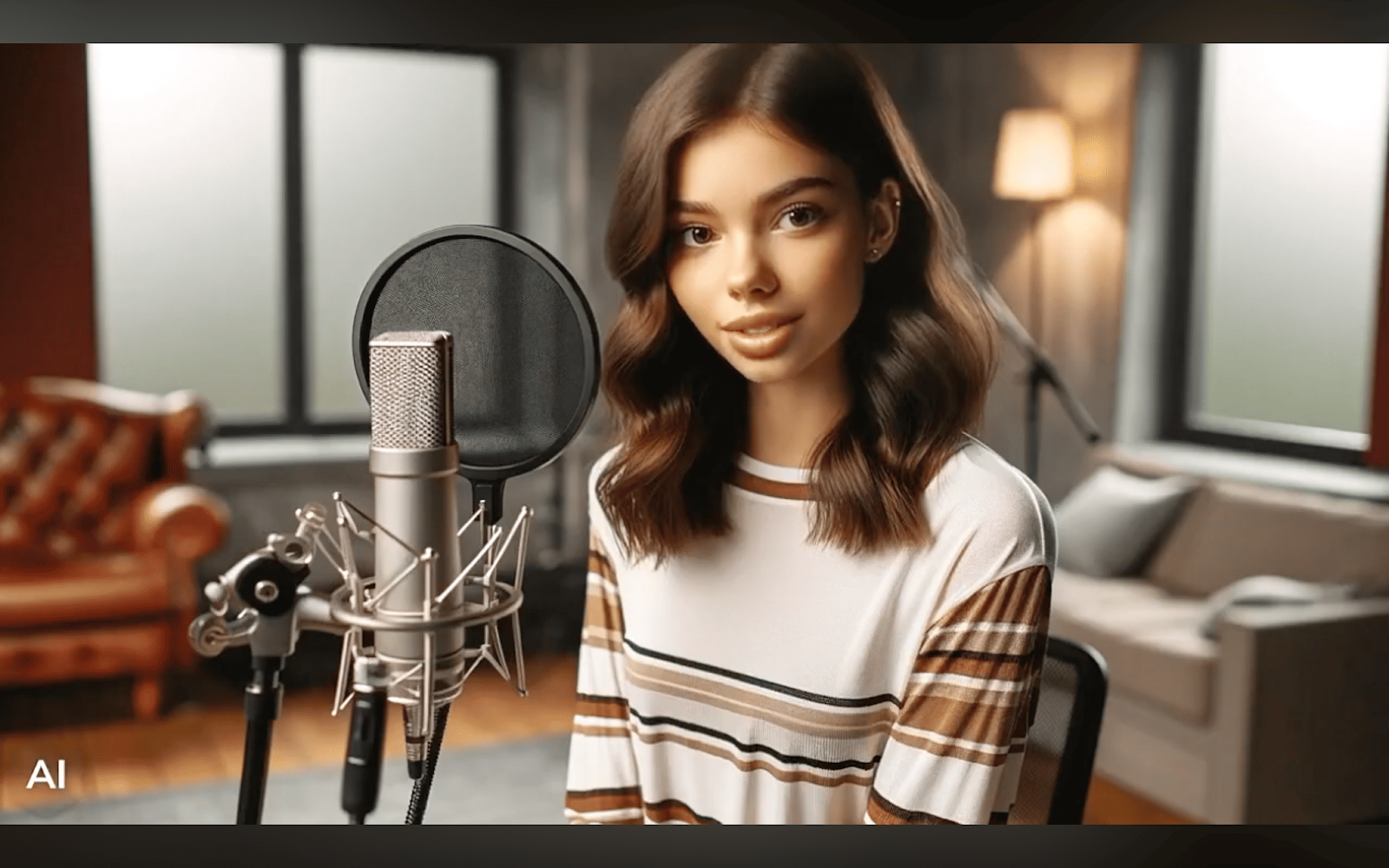
Unfortunately AI is also being embraced by already powerful and famous musicians. Legendary superproducer Timbaland, who worked with many talented artists like Nelly Furtado, Jay Z or Justin Timberlake conquering the 2000s music landscape, is taking a new path by generating music with a new AI pop artist called “tata”. Simultaneously he founded a record label “Stage Zero”, which is signing only AI Artists. While already facing huge backlash for this creation, rumors of him emerged, allegedly training “artists” without the permission of the original musicians.
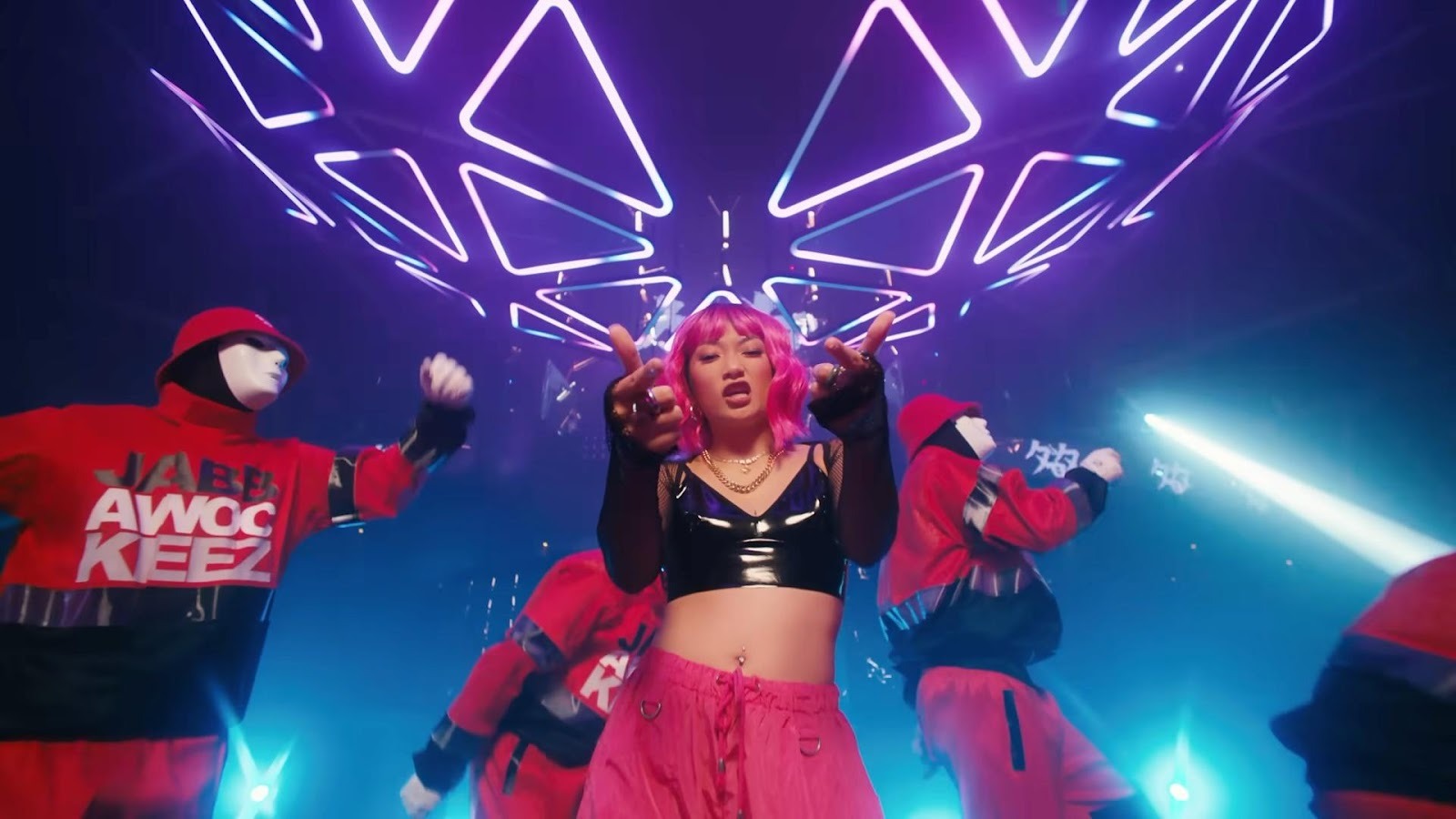
Aside from the tacky and spiritless sound AI-generated music usually delivers, it also hits another nerve:
In order to generate music with AI, it has to be trained on previous data. But music is not just data, it carries identity, memory and a cultural meaning. Using AI to mimic these voices blurs the line between homage and exploitation. In the hardest case, “deepfakes”, they become a tool of manipulation, creating confusion for listeners, disrespect for the original artists or even pain for families of deceased artists.
In addition to the problems AI brings to the musical side of the industry, it is also slowly infiltrating the visual sphere of music, including music videos, album artworks and promotional materials. This development is troubling for several reasons: First of all the visuals produced by AI also often appear uninspired, repetitive and emotionally flat, lacking the intentionality and artistic touch that human designers can bring to the table. Secondly this trend undermines professional illustrators and designers, whose work has long been essential to the music industry. As record labels and artists turn to AI tools for quick and low-cost imagery, human visual artists are increasingly getting overlooked and therefore not paid.
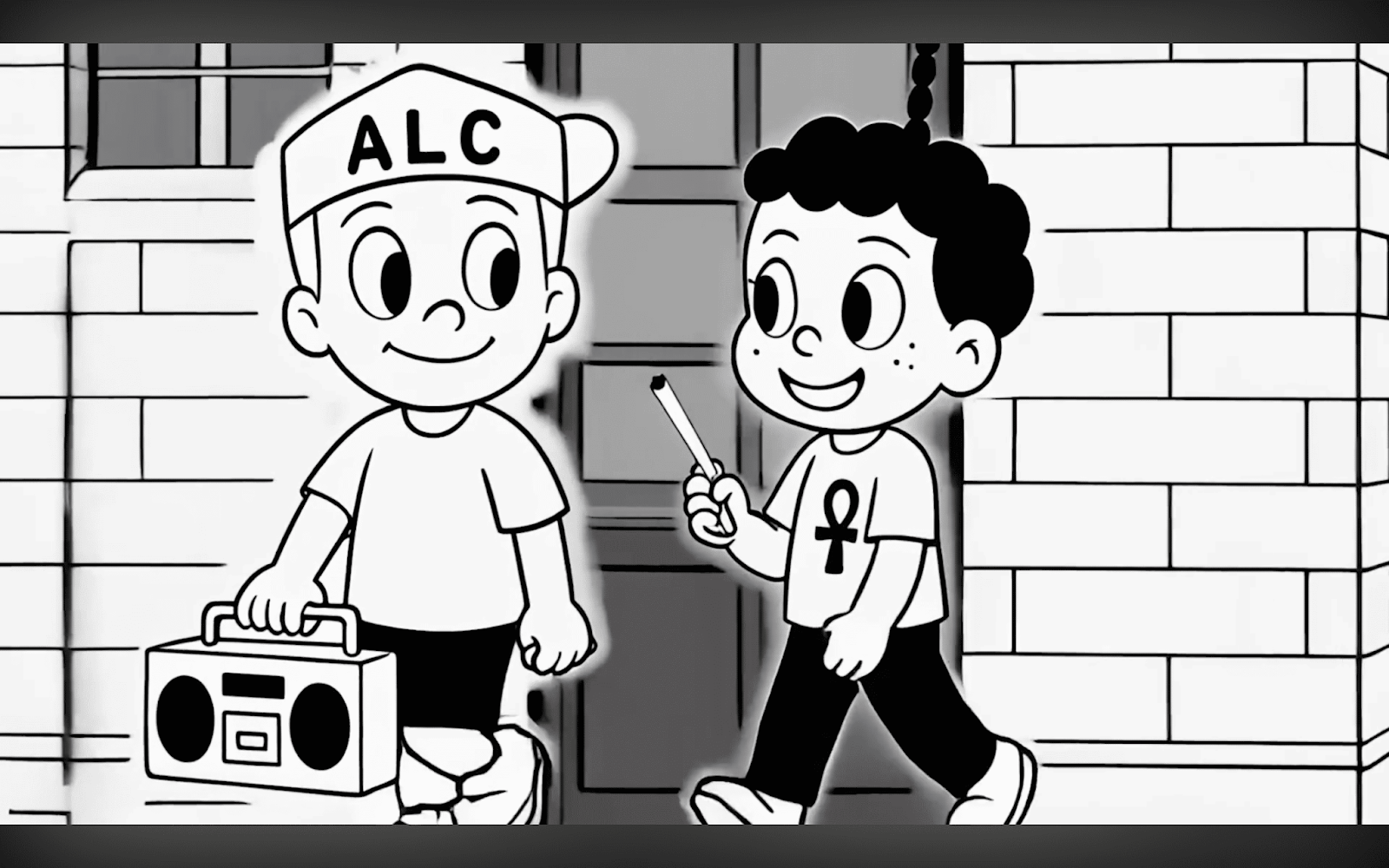
For example the acclaimed producer Alchemist and R&B legend Erykah collaborated on a properly created song but utilized AI to animate a music video. The result is a messy conglomerate of tangled depictions and strange proportions. In one frame a boy seems to be very dislocated, because he has a shiny aura around him. In the same frame a girl holds a blunt, which has the same length as her forearm.
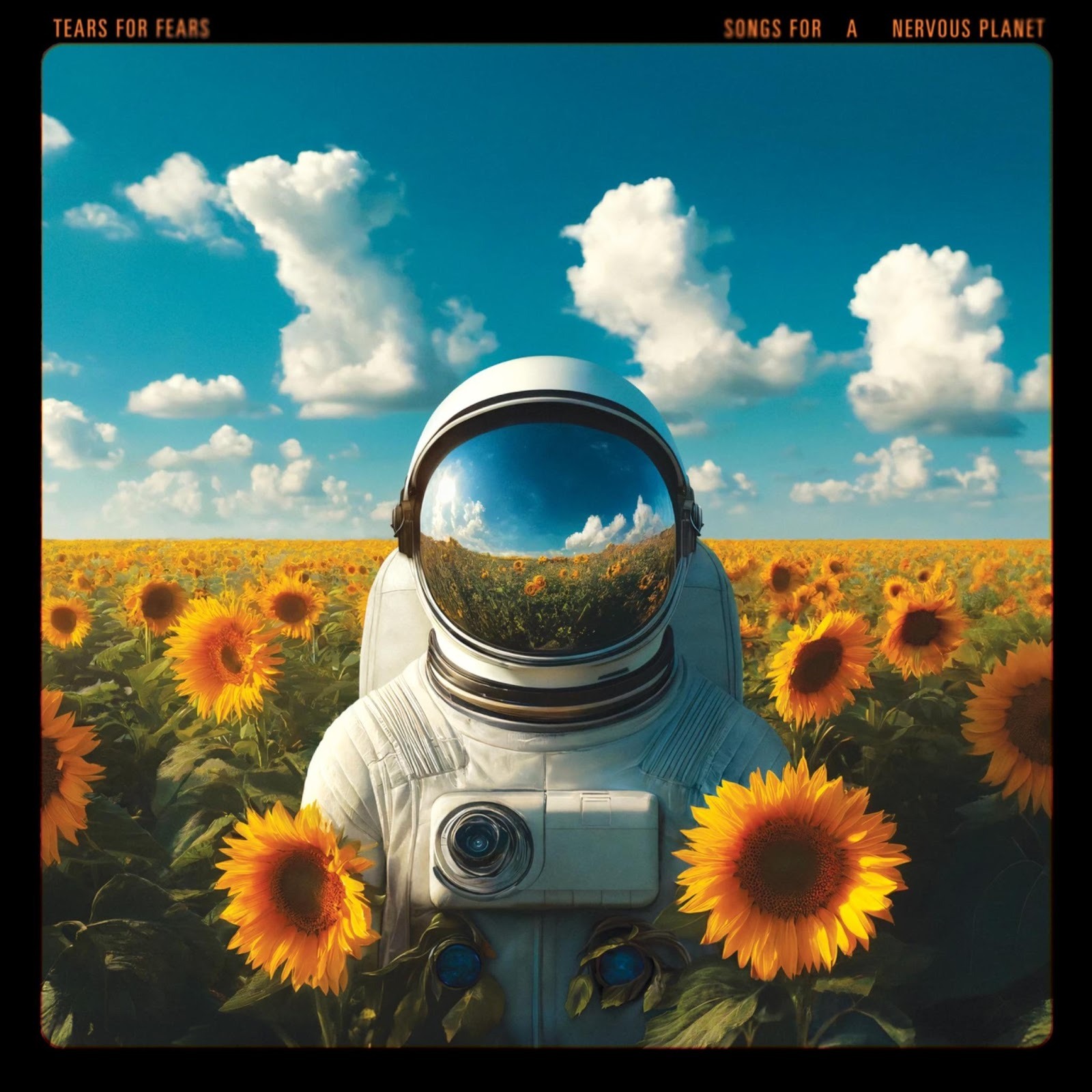
At last the ongoing problem is infiltrating album artworks, in the case of the newly released album “Songs for a Nervous Planet” by the well known band “Tears for Fears”. It was also produced by partly using AI in the creation process. The result is an astronaut in a field of sunflowers. The band itself described it as an “vibrant artwork that evoked a sense of sci-fi, futuristic themes, and an escape from what is known”. However the result, despite attempting to engage with such grand and nourishing themes, feels very dull and uninspired, failing to offer a meaningful or compelling representation of surrealism.
The music industries perspective:
The Flood of AI Content:
One of the most visible consequences of the AI boom is the sheer flood of AI content on music platforms. Streaming services like Spotify or YouTube are already saturated with countless AI-generated tracks. These are frequently built from the same datasets, resulting in endless variations of unimaginative variations of background pop or ambient music. Additionally they are often uploaded under generic names, often indistinguishable from real artists. It creates an ecosystem increasingly defined by quantity rather than quality. What makes this development especially concerning is not just the quality drop off, but the way AI songs are now blending in with human artists.
An entirely AI-generated “band”, called “The Velvet Sundown” has managed to become a verified artist on spotify, gaining real traction with the help of playlist placements and algorithmic promotion. The “band” mimics an indie flair, using certain buzzwords and illustrating a 1970s inspired aesthetic. They even got a lead phrase: “you drift into them”, having a marketing language like a human artist.
The Velvet Sundown encompasses the troubling moment when synthetic, unauthentic art stops pretending to be artificial and instead passes as authentic. Apart from dissolving into one indistinguishable and boring feed of sound this development also dilutes the visibility and diminishes the earnings of real artists.
Public Criticism by Artists
In April 2024 more than 200 musicians signed an open letter against “predatory” use of AI in music. Signatories include Billie Eilish, Nicki Minaj or Stevie Wonder. The message was clear: the usage of AI trained on artists voices without consent risks destroying livelihoods and disrespecting human artistry.
Later on in the same year, a larger community, including ABBA, The Cure and Radiohead joined another statement protesting against using creative works to train an AI without permission. They declared such practices as unjust appropriation of cultural labor.
Journalistic Takes
Mainstream news outlets have also amplified these concerns. The Financial Times called AI tools as potential “theft machines”, harvesting copyrighted material. The BBC examines fears that unfiltered AI will trigger a “race to the bottom” in terms of music quality and economics.
These outlets stress that the problem is not of the future, but highlight the importance in the present. They publish many cases of big AI scandals, lawsuits and new appearances.
The Academic Perspective on Ethical and Cultural Risks
Beyond established artists and journal critics, academics began collecting musicians’ ethical concerns about AI. Common themes in interviews are: fear of displacement, anger about unlicensed data training and anxiety over recognition. Some acknowledge potential useful applications but most artists point out the lack of a proper industry framework that offers safeguards.
Other scholars raise major cultural concerns, arguing that AI music datasets are in favor of global northern traditions, ignoring much of the global south. This could potentially lead to a culture erasure, where AI not only imitates but narrows musical diversity.
In order to frame the current development ethical frameworks are suggested in academic literature. Researchers propose guidelines around transparency, explainability, fairness and regulation.
Constructive Uses of AI in Music
Despite all the negative examples, the question arises whether there is way to use AI to leverage or simplify creative processes without losing the fundamental spirit of artistry. Some artists are experimenting with AI as a creative partner. A leading example is Holly Herndon, who uses a type of AI “clone” of herself in her Holly+ project.
With the help of AI she let others remix and reinterpret her voice, while simultaneously having control and establishing transparency rules. Instead of stealing someone else’s likeness, she shares her own. Therefore AI becomes a tool for empowerment, not an instrument of exploitation.
Similarly, some AI tools assist with production (e.g. drum machines or mixing assistance) without erasing human creativity. In light of this application, AI could become an ally rather than an imitator, if the listeners can easily grasp whether a track is AI-generated or performed by a human being and smaller artists are not repressed in the streaming landscape.
Conclusion:
The debate around AI in music is ultimately not just about technology, but primarily about the presented values. The tools themselves are neutral, what matters is the intention and framework behind their use. As the examples of AI artists and algorithmic streaming content show, the danger does not lie in innovation, but in exploitation: when technology is used to imitate, deceive, or replace rather than to inspire.
Ultimately we should ask ourselves:
Do we want a music culture defined by quantity, imitation, and profit, or one that continues to celebrate authenticity, originality, and human emotion?
Written by Linn Rietschel
Sources:
- Article about public letter against AI misuse:
https://www.theguardian.com/technology/2024/apr/02/musicians-demand-protection-against-ai
- Article about Anna Indianas first song:
- Article about potential good use of AI:
https://www.artbasel.com/stories/ai-holly-herndon-mat-dryhurst-data-training-art-making?lang=de
- YouTube link for Anthony Fantanos opinion about Anna Indiana:
- YouTube link for “Next to You” music video:
- YouTube link for “Glitch x Pulse” music video: